
When your pet is sick or injured, you should be thinking about what they need, not whether you can afford the bill.
Yet across Australia, more pet owners are feeling blindsided at the checkout. Emergency visits that start at $300 to $400 for the consultation alone, and bills that quickly climb into the thousands if imaging or surgery is needed, are now common at 24/7 hospitals and specialist centres. [1]
At the same time, surveys and insurer data show that veterinary service costs have been rising faster than general inflation, and that lifetime healthcare costs for a pet can easily reach tens of thousands of dollars. [2]
So, what is actually driving these price rises? Why do some clinics seem more expensive than others? And how can you find a vet who focuses on your animal’s needs rather than treating you like an ATM?
This article breaks down the real cost factors behind veterinary care, looks at how corporatisation can influence pricing, and explains how independent vets are working to keep care transparent, fair, and focused on your pet.
The Real Cost of Modern Vet Care
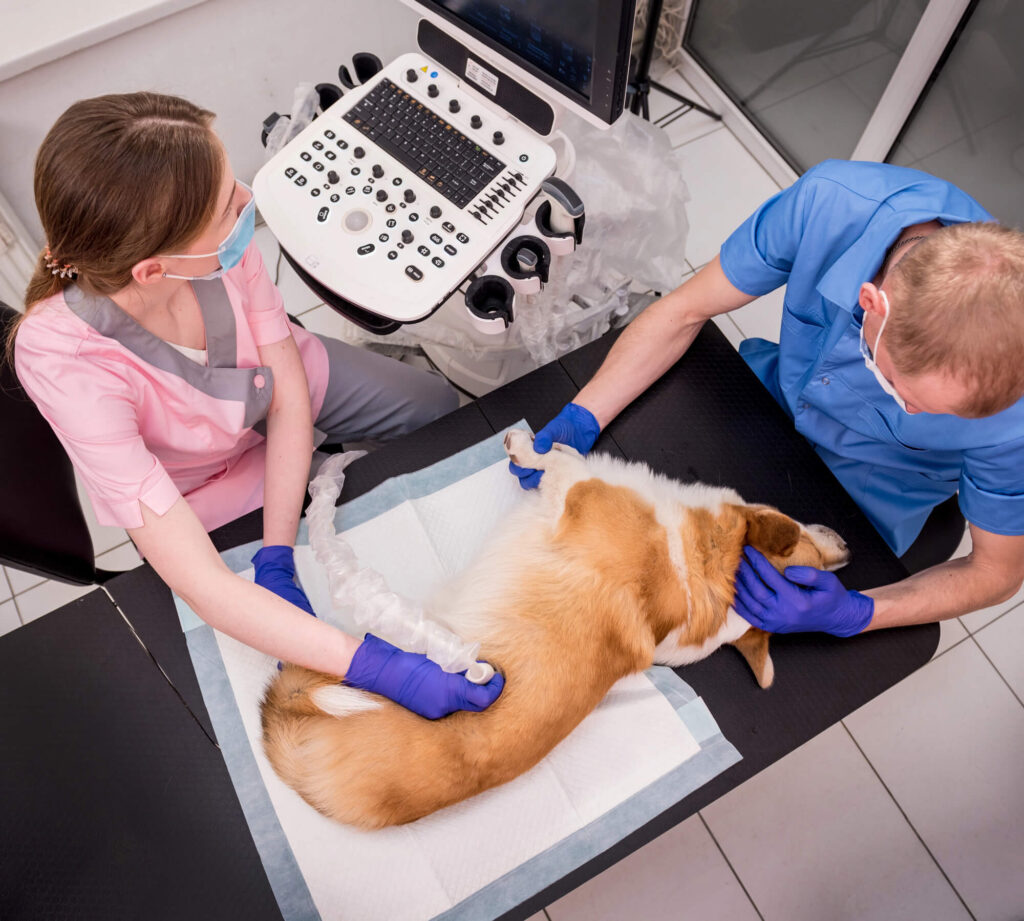
Veterinary care today is far more advanced than it was even 10 to 15 years ago. That is good news for animals, but there is no getting around the fact that modern medicine is expensive to provide.
According to the Australian Veterinary Association, the fee you pay at the vet is not just the vet’s wage. It also covers highly trained nursing staff, rent, utilities, equipment repayments, medical consumables, laboratory fees, insurance, licensing, and ongoing professional education. [3]
Several major trends are pushing those costs higher.
1. Advanced Equipment and Diagnostics
Many practices now have in-house digital X-ray, ultrasound, in-clinic blood analysers, dental X-ray and access to CT or MRI through referral hospitals. These tools improve diagnosis and allow vets to treat problems that previously could not be managed, but they are significant capital investments, often costing hundreds of thousands of dollars in total. [4]
Those machines also need servicing, software updates and consumables. Clinics that carry this level of technology must factor those overheads into their fees if they are to stay viable.
2. Staff Costs and Workforce Shortages
Australia is experiencing a shortage of veterinarians, with many clinics struggling to recruit and retain staff. This has been compounded by a pandemic pet boom, which added large numbers of new animals into the system without a matching increase in vets. [5]
To attract and keep experienced vets and nurses, clinics have had to increase wages and offer more flexible work conditions. That is the right thing to do for staff wellbeing, but it does show up in the consultation fee.
3. Rising Medication and Supplier Costs
Like human healthcare, the cost of drugs, anaesthetics, consumables and laboratory testing has been rising. Pet insurers such as PetSure note that both the average cost per veterinary claim and the complexity of treatments are trending upwards over time. [6]
As new therapies become available, such as advanced arthritis injections or cancer drugs, they expand what vets can offer but add to the overall cost of care.
4. Owners Expecting “Human Level” Care
Most pet owners now see their animals as family. That is a positive cultural shift, but it also means we are more likely to request (or accept) the same level of investigation that we might expect for a human patient.
Comprehensive blood panels, imaging and specialist referrals are often appropriate and life-saving. However, there are times when a simpler, staged approach would also be reasonable. The challenge is finding the balance between prudent care and financial reality.
Where Corporate Ownership Comes In
Not all vet clinics are structured the same way. Traditionally, most practices were owned by the vets who worked in them. Increasingly, however, clinics are being bought by corporate groups and private equity funds.
In Australia, a growing share of the veterinary market is now controlled by a handful of large groups such as Greencross and VetPartners, both backed by international private equity investors. [7]
Corporate ownership is not automatically a bad thing. These groups often invest in modern facilities, centralised support and technology. There are many compassionate, ethical vets working in corporate practices.
However, the business model is different, and that can affect pricing and culture in several ways.
Revenue Targets and KPIs
Investigations by Australian media have reported cases where vets working in corporate or after-hours centres faced targets for revenue or were offered commissions or bonuses linked to how much they billed. [8]
Even if individual clinicians try to resist that pressure, a system that tracks “average transaction value” and similar metrics can subtly push toward more tests, more procedures and more referrals. Over time, that shifts the default from “what does this animal truly need” to “what constitutes the full work up.”
Complex Referral Pathways
Corporate vet clinics groups often own both general practices and referral or emergency hospitals. In that structure, local clinics may refer more cases on, whether due to formal policy or informal expectations.
Specialist care absolutely has its place and can be life-saving. But each handover usually means a fresh consultation fee, additional tests and a step up in pricing. For some families, the jump from a general practice bill to a specialist quote can be the point where treatment becomes unaffordable. [9]
Profit Mandates and Private Equity
Private equity investors expect strong returns. Reports on the sector suggest that large vet groups are valued in the billions, with strategies built on rolling up many clinics, cutting costs where possible and increasing revenue per client. [10]
That financial mandate may sit uneasily with the ethos of veterinary medicine, which is supposed to put animal welfare first. Most individual vets want to do the right thing. The concern is the system they work in.
How Independent Vets Approach Pricing and Care

Independent clinics are owned by the vets on the ground, not distant shareholders. That difference in ownership model changes the conversation in several important ways.
1. Clinical Decisions Without Corporate KPIs
Independent vets are not answering to a head office that tracks revenue targets. Their measure of success is usually long-term trust, word of mouth and the health of the animals in their care.
That means they can:
- Offer staged diagnostics instead of everything at once, where appropriate
- Focus on what will change the treatment plan, not what will maximise the invoice
- Be frank when the “gold standard” option is unlikely to change the outcome for your pet
2. Transparent Estimates and Options
Because they live and work in the community, independent vets are used to real conversations about money. They know that most families do not have unlimited funds.
Good independent clinics will typically:
- Provide written estimates before major procedures, to ensure transparent vet pricing
- Explain which parts of the plan are essential, and which are “nice to have”
- Discuss lower cost alternatives or palliative options where that is more humane
If you feel rushed or pressured anywhere, that is a red flag.
3. Flexibility to Help
Independent practice owners often have more flexibility to discretely discount a bill, waive a follow-up consult, or set up a realistic staged plan if they know a client is doing it tough. They also tend to know which local charities, rescue groups or low-cost clinics might be able to help in extreme situations. [11]
There is no guarantee of reduced prices, and they are still businesses that need to cover costs, but the decisions are made in-house rather than by a corporate pricing policy.
4. Community and Continuity
Independent vets are part of the neighbourhood. They often see the same animals year after year and treat multiple generations of pets in one family.
That continuity matters. A vet who has watched your dog grow from a boisterous puppy into a senior with arthritis is well placed to advise on realistic, kind treatment plans that fit your animal and your household.
If you are looking for that kind of relationship, directories such as Independent Vet are designed to help you find clinics where care, not corporate metrics, comes first.
How to Choose a Vet Who Will Not Treat You Like an ATM

You cannot control every bill, and emergencies will always be expensive, but you can choose the sort of clinic you are dealing with.
Here are practical questions and checks that can help you avoid feeling like a walking credit card.
1. Ask About Ownership
Ask directly: “Is this clinic independently owned, or part of a larger group?”
There are excellent vets in every setting, but knowing who ultimately owns the practice helps you understand the incentives at play. Some chains do not clearly brand themselves as corporate, so a quick question at reception can be revealing. [12]
2. Look at How They Talk About Options
At your first visit, pay attention to how the vet presents a plan.
Good signs:
- They explain the likely diagnosis in plain language
- They outline more than one option
- They are honest about cost and benefit, not just what is technically possible
Concerning signs:
- You are presented with a single “package” of tests and procedures without alternatives
- The plan escalates quickly to expensive imaging or referral with little explanation
- You feel guilty for asking about cost, or are told “this is just what we do for everything”
3. Ask “How Will This Test Change What We Do?”
This single question can be powerful. For each test or procedure, ask:
“If this comes back normal, what happens? If it comes back abnormal, what changes?”
Sometimes the answer will be “it will tell us whether we need surgery” or “it will confirm which drug to use”, which is clearly worth it. Sometimes the honest answer is “it may not change much today”, in which case you can decide whether it is worth the cost right now.
A thoughtful vet will welcome this conversation.
4. Check How They Handle Estimates and Consent
Before a procedure or hospital stay, you should receive an estimate that covers major components: consultation, imaging, anaesthetic, surgery, hospitalisation, and medications.
If something unexpected happens during treatment that will significantly increase the cost, a good clinic will attempt to contact you for consent before proceeding, except in true life or death emergencies.
5. Look for Education, Not Just Sales
Good clinics don’t just diagnose and charge, they teach. Ethical vets make time to talk about preventive care, behaviour, nutrition, and simple changes you can make at home to improve your pet’s wellbeing.
For example, an independent vet clinic might prescribe joint medication for a senior dog, but they’ll often go further and suggest things like:
- Providing better orthopaedic support at home, such as how supportive orthopaedic dog beds can reduce pressure on ageing joints.
- Adjusting weight and diet, talking you through portion sizes, appropriate calorie intake, healthier treat alternatives, and how to maintain a balanced diet that supports joint health, mobility and overall longevity.
- Choosing the right type of exercise or physiotherapy, such as choosing safe, accessible places to walk older or mobility-limited dogs.
When a clinic genuinely wants you to understand your options, rather than upsell you on the spot, it’s a strong sign they’re focused on long-term welfare, not short-term revenue.
What Independent Vets Wish You Knew About Costs
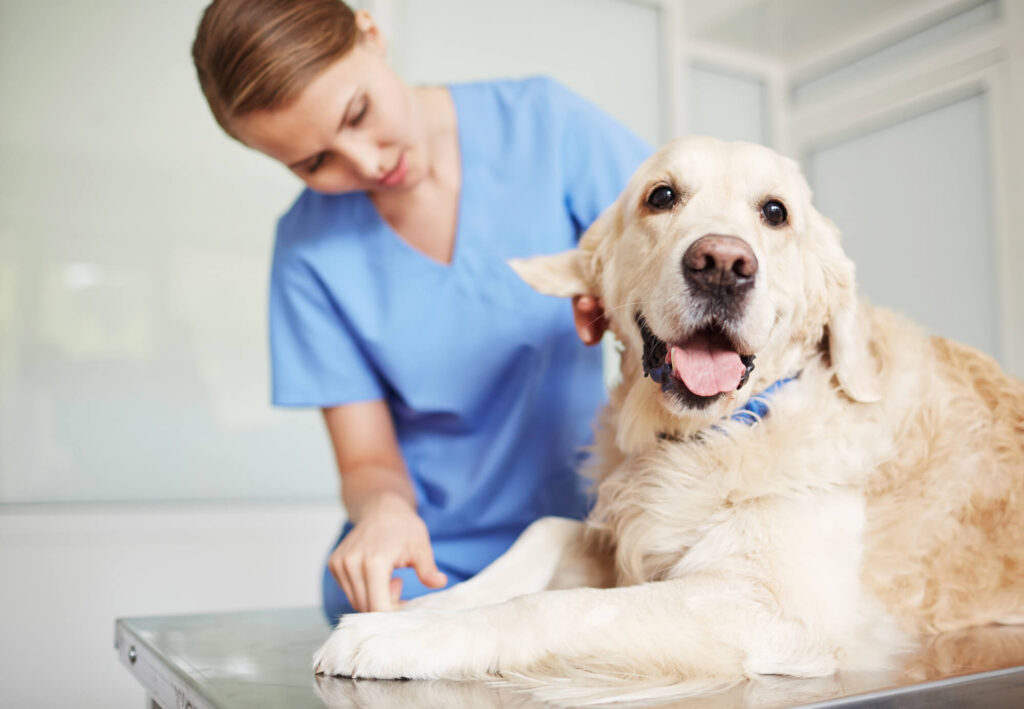
Most vets do not like talking about money. They became veterinarians to help animals, not to be debt collectors. At the same time, they know their fees can be a shock.
If you ask independent vets what they wish clients understood, you will hear some common themes.
1. You Can Be Honest About Your Budget
You are allowed to say, “I cannot afford that, what are our other options?” A good vet will not judge you for it. They would much rather work within your means than see you avoid care entirely or turn to unsafe do-it-yourself treatments. [13]
2. Prevention Really is Cheaper
Routine check-ups, vaccinations, parasite control, dental care and weight management all help reduce the risk of catastrophic, expensive emergencies.
Something as simple as keeping your dog’s weight in a healthy range can significantly reduce the risk of cruciate ligament injuries and arthritis that later require high-cost surgery and long-term pain relief. [14]
3. Comfort at Home Matters Too
The clinic visit is only one part of your pet’s health. Comfortable sleep, safe exercise, mental stimulation and stress reduction all affect wellbeing and can reduce the risk of some chronic problems.
Independent vets are increasingly pointing owners towards evidence-based resources on topics like sleep quality, joint support and anxiety management. For example, articles on memory foam dog beds, breed-specific sleep needs and orthopaedic support from Australian brands like Anubis can help owners make better home choices that support the work done in the consulting room.
When a High Bill is Unavoidable
There will be moments when a bill is high for unavoidable reasons. Complex fractures, foreign body surgeries, C-sections, snake bites, critical care and advanced cancer work ups all require intensive equipment, staffing and monitoring.
In those cases, an ethical vet will:
- Be upfront about likely costs and prognosis
- Discuss whether referral to a specialist or emergency centre is truly necessary
- Talk honestly about quality of life and when palliative care may be kinder
You should never feel railroaded into a decision. You are allowed to ask for time to think, a written estimate, or a second opinion.
Sadly, there are times when the fairest choice is to let a pet go because the necessary treatment is beyond reach and prolonged suffering is not humane. Recent Australian reporting has highlighted the painful reality that some families are choosing euthanasia purely for financial reasons. [15]
Independent vets often feel this heartbreak keenly because they live alongside the communities they serve. Many will do everything they reasonably can to avoid “economic euthanasia”, but they cannot single-handedly fix a system that is almost entirely user pays.
Choosing an Independent Vet and Advocating for Your Pet
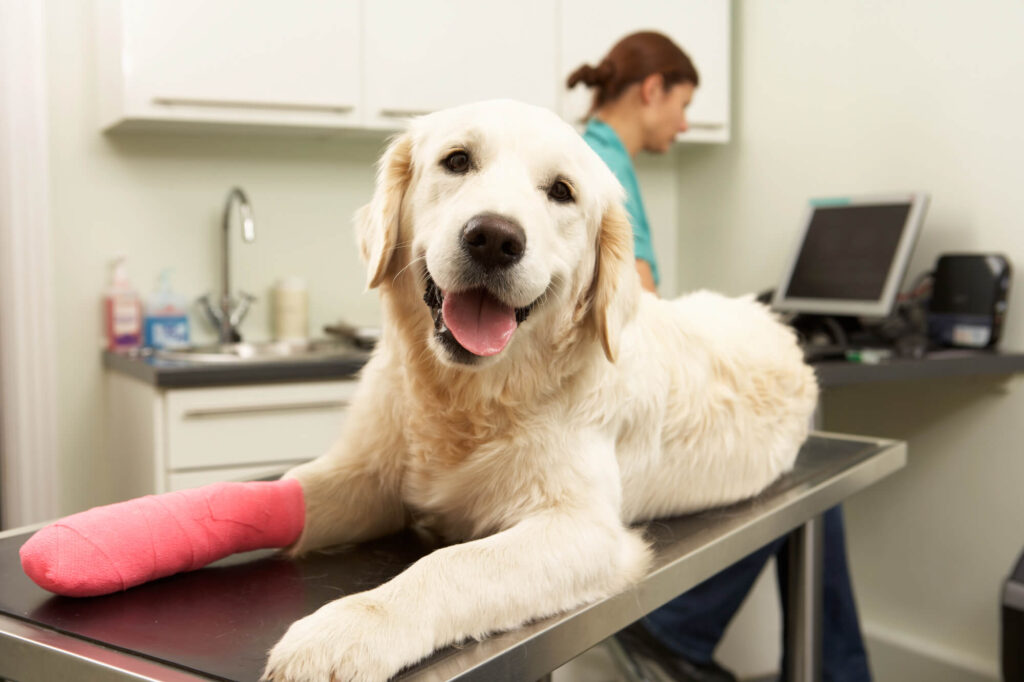
The veterinary system has its flaws, and costs are rising in ways that concern both owners and vets. You cannot change the entire industry, but you can choose who you trust with your animals.
Independent vets put pets and families first, not corporate shareholders. They are free from private equity profit mandates and KPI driven upselling, and they are embedded in the communities they serve.
To find a local independent clinic that shares these values, use the Independent Vet directory and start a conversation. Ask questions, expect transparency, and look for a relationship where you feel heard rather than pressured.
Your pet does not care how glossy the reception looks or how many machines are in the back room. They care that the people treating them are calm, kind and focused on their comfort.
With the right independent vet in your corner and reliable, evidence-based resources on everything from dog training to sleep and exercise, you can navigate rising vet costs with more confidence and less fear of bill shock.
Frequently Asked Questions About Rising Vet Costs & Transparent Vet Pricing
What is available to help with vet bills for low income families in Australia?
Low income families across Australia may be able to access help with vet bills through a mix of options. Some independent vet clinics offer payment plans or staged treatment to make costs more manageable.
In many areas, there are charities, rescue groups, or community vet clinics that provide discounted care for eligible clients. It is always worth asking your vet directly if they know of any local vet bill assistance programs or can help tailor a plan that fits your budget.
What should I do if I can’t afford an unexpected vet bill?
If an unexpected vet bill is more than you can afford, let your vet know straight away. Ask for a written estimate, then discuss which parts of the treatment are essential now and which can be delayed or adjusted.
Independent vet clinics are often more flexible and may help you stage diagnostics, use generic medications, or work with third-party payment options. In true emergencies, also ask whether there are any local charities or welfare funds that can help in the short term.
Are corporate vet clinics more expensive than independent vet clinics?
Corporate vet clinics are not always more expensive, but their business model can be different. Some corporate clinics and 24/7 hospitals rely on higher fees, complex itemised billing, and referral pathways to specialist centres, which can increase the final bill.
Independent vet clinics, owned by vets on the ground, often have more freedom to be transparent about costs, offer staged treatment plans, and focus on what is genuinely needed for your pet. Comparing estimates from both corporate vet clinics and independent vets is the best way to understand the difference in your area.
How do I choose a vet who won’t treat me like an ATM?
If you want to choose a vet who won’t put profits before your pet, ask questions before you commit. Check whether the clinic is an independent vet clinic or part of a corporate group, and pay attention to how they talk about money.
A good vet will explain options in plain language, provide a clear written estimate, and be open to discussing your budget. Look for transparent vet pricing, a focus on your pet’s comfort, and a willingness to explain how each test or procedure will actually change the treatment plan.
How can I find an independent vet near me?
To find an independent vet near you, look for clinics that are owned and run by the veterinarians who work there, rather than by a corporate chain. Many independent practices proudly state that they are locally owned on their website or signage.
You can also use directories dedicated to independent vet clinics, ask friends or local pet groups for recommendations, or call a clinic and simply ask who owns it. Choosing an independent vet can help you build a long-term, trust-based relationship with a team that understands your pet and your budget.
How can I plan ahead for vet bills in Australia so I’m not caught out?
Planning ahead for emergency vet bills usually involves a mix of budgeting and prevention. Setting aside a small amount each week into a pet emergency fund, keeping vaccinations and parasite control up to date, maintaining a healthy weight, and addressing problems early can all reduce the risk of large, sudden bills.
Talking openly with an independent vet about realistic costs for your pet’s breed, age and health is one of the best ways to prepare, so you have a clear idea of what might be coming and how to manage it.
Sources
[1] Choosi – “The cost of a vet visit in 2025”
https://www.choosi.com.au/pet-insurance/articles/cost-of-vet-visit-2025/
[2] [4] [5] [6] [14] PetSure – “Under the Hood: Why Are Veterinary Costs in Australia Rising?”
https://petsure.com.au/knowledge-hub/why-veterinary-costs-in-australia-are-rising/
[3] [11] Vet Voice – “The Cost of Veterinary Care Explained”
https://www.vetvoice.com.au/articles/the-cost-of-veterinary-care-explained/
[7] [10] Vet Suppliers Dictionary – “The Consolidation of the Veterinary Industry”
https://www.vetsuppliersdirectory.com.au/the-consolidation-of-the-veterinary-industry/
[8] [9] ABC News – “High cost of veterinary care at major chains causing pets to be unnecessarily euthanised, senior vets say”
https://www.abc.net.au/news/2021-09-25/qld-pet-surgery-fees-vet-clinics-pricing/100482206
[12] Paws at Prospect Vet – “Cutting Through The Corporate Clutter”
https://www.pawsatprospectvet.com.au/independently-owned-2/
[13] ABC News – “Vets warn against growing trend of do-it-yourself pet treatments as cost of living rises, budgets tighten”
https://www.abc.net.au/news/2023-07-04/vet-cost-of-living-euthanasia-dogs-pets-cats-surgery/102549162
[15] ABC News – “Huge vet bills forcing cash-strapped pet owners to make an impossible choice”
https://www.abc.net.au/news/2025-05-22/vet-bills-leaving-pet-owners-with-few-options-cost-of-living/104826358
Search Independent Vets

About the Author: Mya Gerschwitz
Mya Gerschwitz is the creator of Dog Friendly Perth, a local guide dedicated to uncovering the best dog-friendly cafés, parks, adventures and resources around Western Australia’s capital.
Why Choose an Independent Vet?
Personalised Care
Don't just search for a vet near me, find an independent vet near you. Independent clinics love building relationships with you and your pet – you’re not just another appointment in the system.
Community Focused
Local vets are part of your community. They support neighbourhood initiatives, get to know families, and often treat multiple generations of pets.
No Corporate Pressure
Large corporate-owned clinics often face business targets and upselling pressures. Independent vets have more flexibility to recommend the best option for your pet.