
Just because we can treat a pet doesn’t always mean we should.
When Love Means Letting Go
Few things in life are as gut-wrenching as the moment you realise your best friend may not have the long, happy future you imagined. You picture the walks you won’t take, the years you won’t share, and it feels unbearably unfair.
In modern veterinary medicine, we’re surrounded by remarkable possibilities. Surgeries that once seemed impossible can now restore function, imaging can reveal hidden disease, and treatments can extend lives far beyond what was once imaginable. These advances save lives every day. But they also present us with difficult questions – not just can we do this but should we.
Sometimes the kindest act we can give a pet is not more time, but the release from pain. This is never an easy choice, and it’s one I’ve walked through alongside many families. My goal in writing this is to help you navigate the space between what’s possible and what’s right – and to help you feel at peace if letting go is the path you choose.
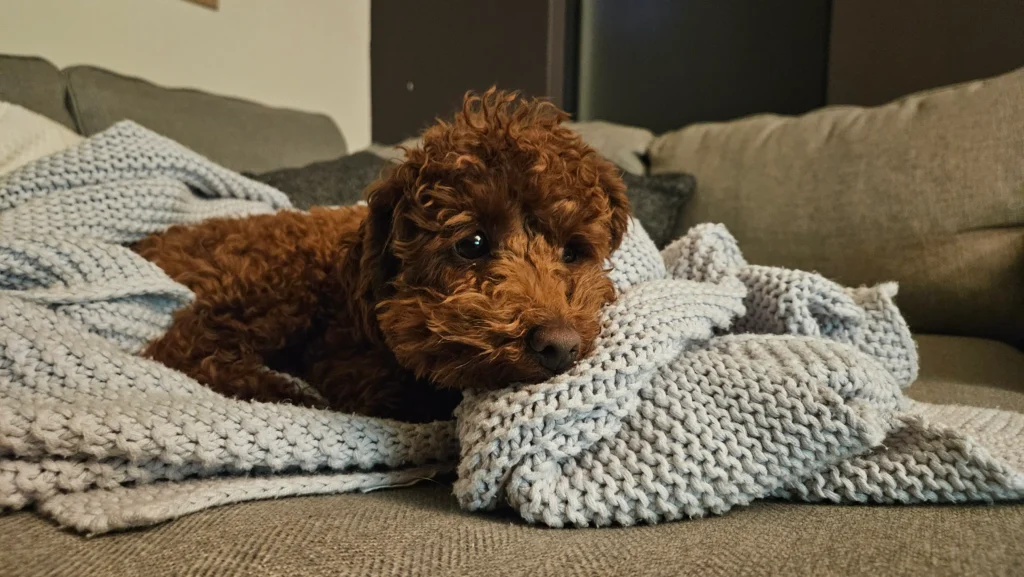
Understanding Complex and Congenital Conditions
Some pets, even as puppies or kittens, are born with conditions that shape their whole lives. These are congenital issues – health problems present from birth – and they can affect any part of the body, from the heart to the spine.
One such condition, Atlantoaxial Instability (AAI), affects the neck and upper spine. It’s seen more often in small and toy breeds, where instability between two vertebrae can lead to pain, neurological problems, and even sudden paralysis.
The treatment for AAI often involves complex spinal surgery. Success rates vary, and recovery can mean weeks or months in strict crate rest. For an adult dog, this is challenging enough. For a lively puppy, it can be almost impossible to enforce without risking further injury. And even then, there are no guarantees – complications can arise, the condition can return, and long-term restrictions may remain.
This isn’t unique to AAI. Other conditions, such as severe hip dysplasia, congenital heart defects, and certain liver shunts, can have similar treatment realities – high cost, high complexity, and long, difficult recovery periods.
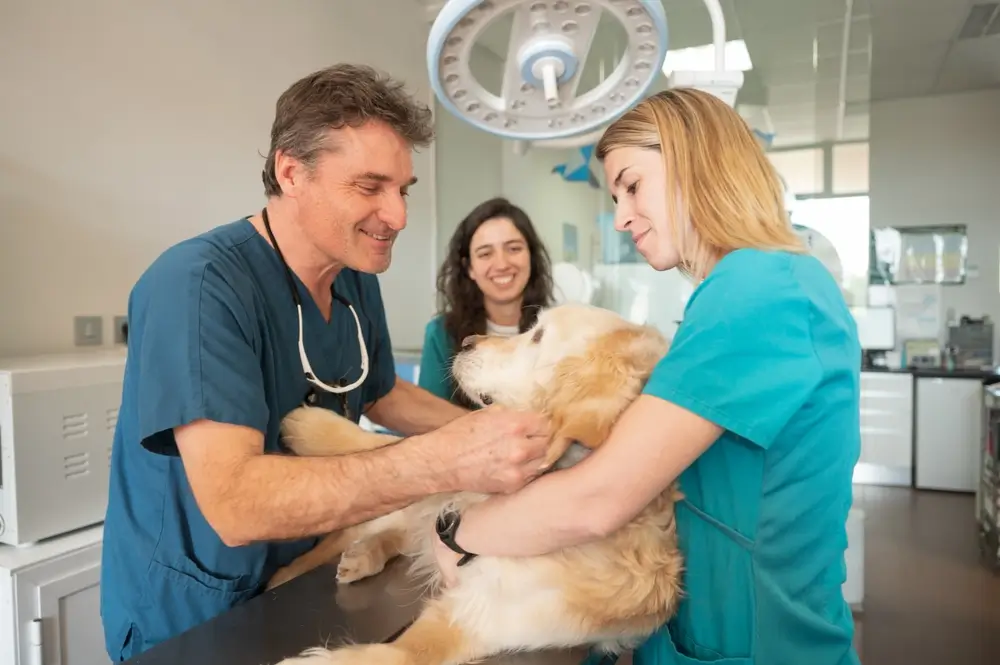
The Reality of Treatment: Cost, Time, and Quality of Life
When we talk about the “cost” of treatment, it’s not only about money – though that is often a significant factor. Major surgeries for pets can run into the tens of thousands of dollars. Even when insurance covers much of it, there’s the emotional cost: months of worry, stress, and the very real possibility that despite everything, your pet’s quality of life may not improve.
Recovery from major surgery is rarely a quick process. Spinal surgery, for example, can require:
- Crate rest for 6–12 weeks or longer.
- Restricted activity for months, sometimes permanently.
- Ongoing medication for pain or inflammation.
- Physiotherapy or hydrotherapy to rebuild muscle and mobility.
Some pets adapt well. Others find the confinement and pain unbearable, and their spark fades. The decision becomes even harder when your pet is very young and their nature is to run, play, and explore – not to live behind bars in recovery.

Greg’s Story – A Puppy’s Journey
Greg, a sweet-natured toy poodle, was just a few months old when small warning signs began to appear. At first, it was easy to hope it was nothing serious – maybe a strained neck or a temporary injury. But by the time Greg reached seven months, his pain became impossible to ignore.
He would wake up almost howling, a cry that spoke of deep discomfort. On his bad days, his head hung low, his movements careful and slow. The only real relief came from strong medication – enough to let him run and play like a normal puppy for a few hours. Those moments were beautiful but fleeting, and the medication at this level quickly becomes a problem for the liver leading to other issues.
X-rays and examinations pointed to Atlantoaxial Instability. A $6,000 CT & MRI would likely be able to confirm this however there were few other diagnosis options that would explain the presentation. Post a diagnosis, the recommended surgery would cost $12,000-$20,000 and even if money were no object, Greg would have faced months of strict crate rest, with no certainty that he would ever live free from pain again.
After a second opinion Greg’s family decided to rework the medicine program, give Greg a daily massage in the morning, and “watch and wait”. Over the months Greg’s condition has improved but the outcome of a long life is not likely. But while he is happy and the medicine regime is working, he goes on bringing joy to his family.
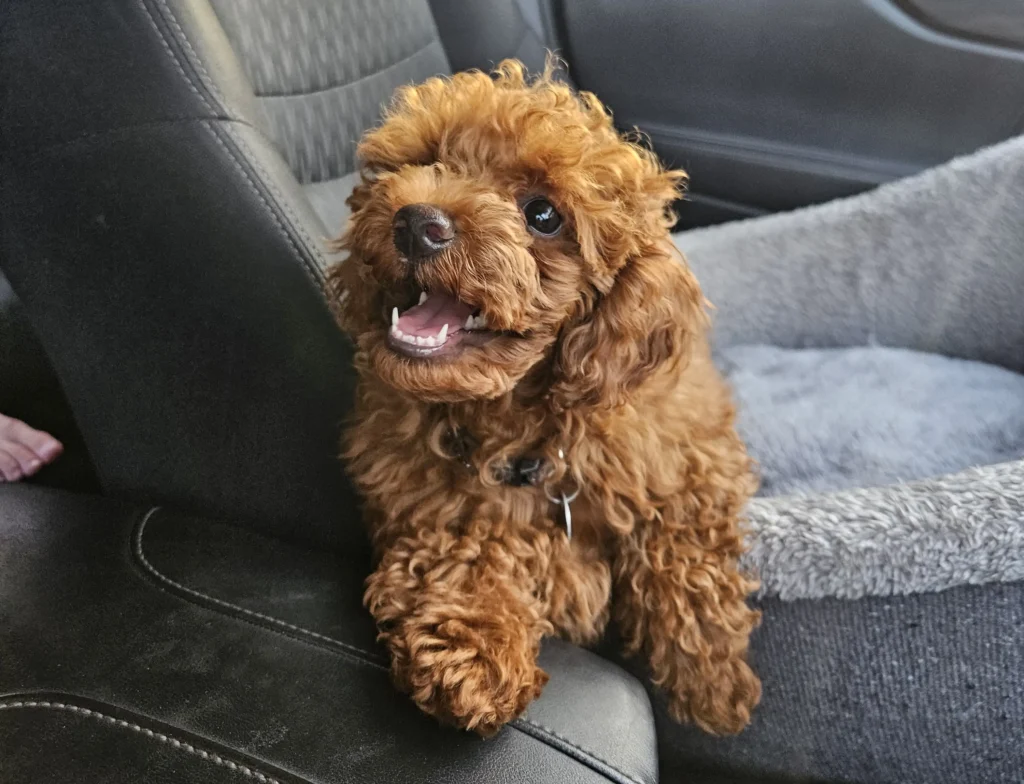
If in the end, Greg’s family need to make the heart-wrenching decision to let him go instead of undertaking expensive and invasive therapy options; it wouldn’t because they loved him any less, but because they loved him enough to spare him a life of restriction and ongoing pain.
Greg’s story is not unique – but it is deeply personal. It’s the kind of decision that countless families face, and one that is never made lightly.
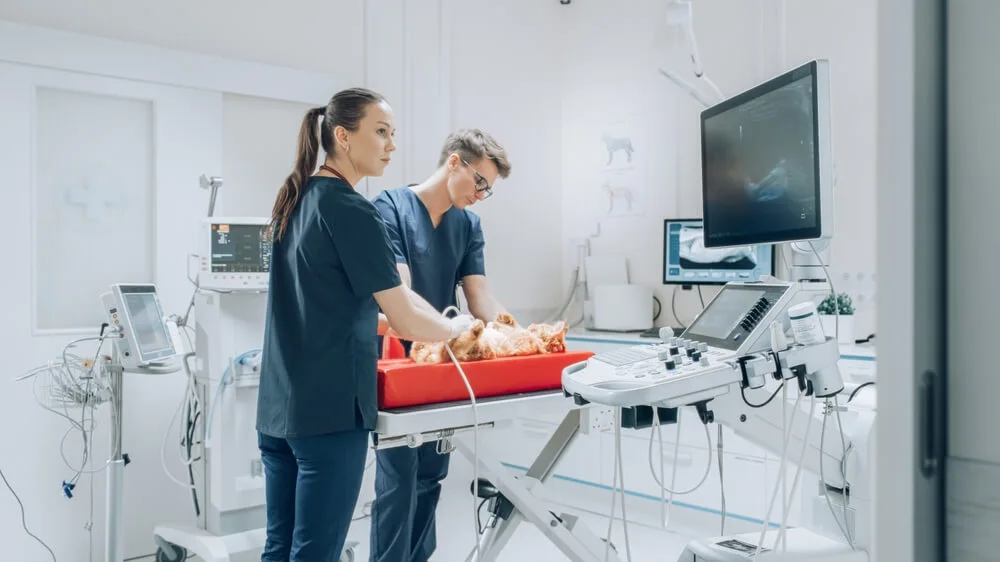
Can We vs. Should We
In veterinary medicine, the ability to perform complex surgeries is a testament to how far we’ve come. But it also means that pet owners are often placed in an impossible position:
- If you choose surgery, you take on the hope and risk of success, but also the reality of pain, confinement, and possible failure.
- If you choose euthanasia, you may feel the weight of guilt for not doing “everything possible,” even if it’s the kinder choice.
There is no one-size-fits-all answer. The right decision is the one that prioritises your pet’s comfort, dignity, and happiness – not just the extension of time.
The Humane Choice of Euthanasia
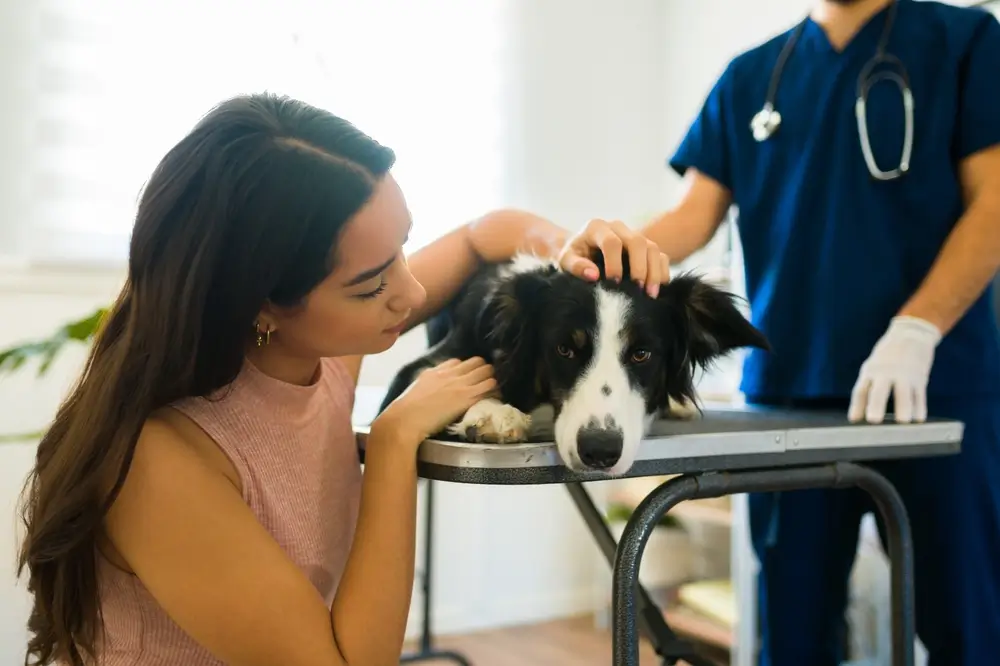
Euthanasia is not giving up. It is not a failure. It is a profound act of love that recognises when the fight is no longer in your pet’s best interests.
I have sat with countless families as they’ve said goodbye, and the one thing they all have in common is the depth of their love. Choosing to let your pet go before they suffer further is not robbing them of life – it’s protecting them from pain.
It’s natural to feel torn, especially when there are treatments that could work. But we must ask ourselves: what is the quality of the time we’re giving them? Is it weeks in a crate, months of rehabilitation, or constant medication just to keep the pain at bay?
Sometimes, the greatest kindness is to release them from that struggle.
Emotional Burden and Societal Pressure
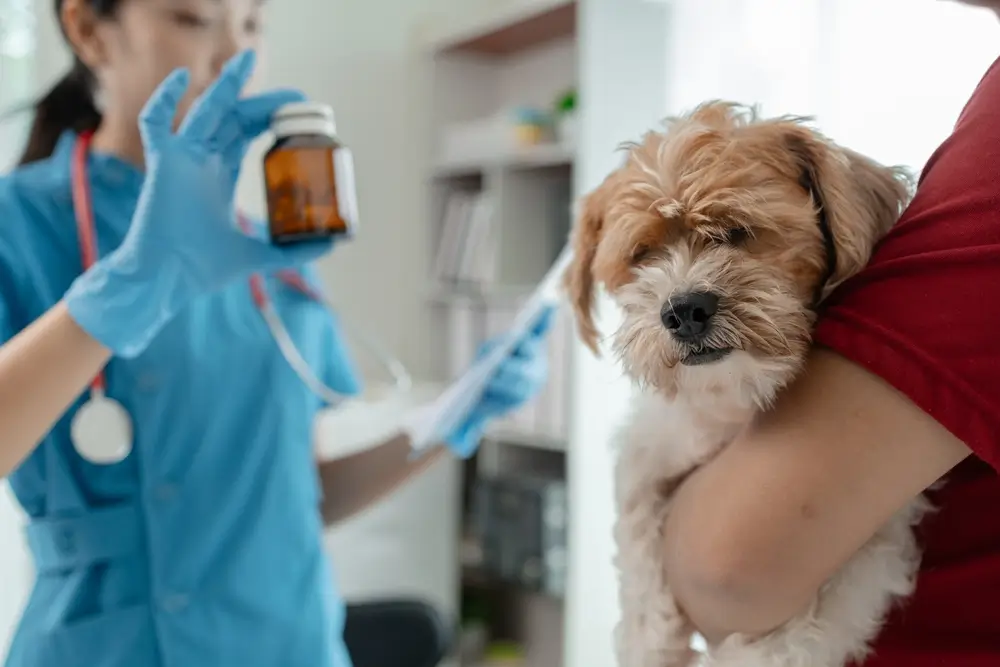
Today, pet owners face more pressure than ever before. Social media is filled with miracle stories of pets beating the odds, and veterinary advances can make it seem like saying no to treatment is unthinkable. But behind the scenes, there are also stories of failed surgeries, worsening conditions, and years of management for chronic pain.
It’s important to remember:
- Your love is not measured by the money you spend on treatment.
- Choosing euthanasia can be the braver choice, not the easier one.
You are not letting your pet down by preventing further suffering. You are honouring the life you shared.
Support Resources
If you are facing this decision or grieving the loss of your pet, you are not alone. These resources can help:
- Australian Centre for Grief and Bereavement – https://www.grief.org.au/
- Pets and People – Pet Loss Support – https://petsandpeople.com.au/
- Beyond Blue (for emotional support) – https://www.beyondblue.org.au/
- Lifeline Australia – https://www.lifeline.org.au/ | 📞13 11 14
Finding Peace in the Hardest Choice
If you’re reading this because you’re in the middle of this decision, please know I understand how heavy it feels. Whether you choose surgery or compassionate release, you are making that choice out of love.
Greg’s family didn’t fail him – they gave him the gift of peace. And if that’s the path you choose for your own pet, you can take comfort in knowing you’ve spared them pain and given them dignity.
As a vet, I believe there’s no greater expression of love than putting your pet’s wellbeing above your own heartache.
Kind Regards,
Dr Patrick
Ark Angel Vet
Search Independent Vets

About the Author: Patrick Africano
Dr Patrick is the founder and lead veterinarian at Ark Angel Vet, providing in-home veterinary care with a focus on peaceful and compassionate end-of-life support. With extensive experience in small-animal medicine, Dr Patrick brings warmth, empathy, and professionalism to every visit. Dedicated to animal welfare and client comfort, Dr Patrick has earned deep trust across Perth for his gentle, respectful manner and genuine care for every patient.
Why Choose an Independent Vet?
Personalised Care
Don't just search for a vet near me, find an independent vet near you. Independent clinics love building relationships with you and your pet – you’re not just another appointment in the system.
Community Focused
Local vets are part of your community. They support neighbourhood initiatives, get to know families, and often treat multiple generations of pets.
No Corporate Pressure
Large corporate-owned clinics often face business targets and upselling pressures. Independent vets have more flexibility to recommend the best option for your pet.