
When your beloved pet falls ill, the last thing you want is sticker shock at the vet’s office. Yet across Australia, routine check-ups and emergency visits alike are leaving pet owners reeling at the cost.
Veterinary bills have been rising at a pace far above general inflation, driven by changes in how vets practice and how the pet care industry is structured. Pet owners are increasingly finding that outside of insurance that will actually cover you “there’s no Medicare for pets – you pay, or they die”[3].
This long-form report explores how modern veterinary care became so expensive and intervention-heavy, and what pet owners can do to advocate for their animals without feeling like an ATM.

The Rising Cost of Care
It’s not your imagination – vet bills today are higher than ever, often by a significant margin. Recent data shows that veterinary service fees have jumped 34% since 2020, far outpacing the general cost-of-living increase in that period[2]. By comparison, overall consumer prices rose by only a fraction of that.
Pet insurance industry analysis estimates that owning a pet now entails around $30,000 in healthcare costs over its lifetime on average, with 1 in 10 pets incurring up to $100,000 in vet care if chronic illnesses or major injuries occur[1]. These staggering figures underscore how treating pets has evolved to mirror human healthcare – in both sophistication and price tag.
What’s driving these soaring costs? Advanced medical options for pets are now widely available, from digital X-rays and ultrasounds to MRIs, chemotherapy, and complex surgeries.
Treatments that were rare or non-existent decades ago are now offered as standard care – but they come at a price. Specialist referral hospitals and 24/7 emergency clinics, especially in big cities, charge a premium for their expertise and equipment. It’s common for an emergency vet visit to start around $300–$400 just for consultation, before any tests or treatment[4].
If your pet needs diagnostics or surgery, the bill can quickly climb into the thousands. For example, surgery to remove a swallowed foreign object averages about $5,000, but complex cases have cost up to $40,000; cruciate ligament repair in a dog might run $3,000–$6,000, and cancer treatments can exceed $30,000 in advanced cases[5]. These are numbers that rival human hospital bills, but unlike human health care-which is heavily subsidised by Medicare and insurance-pet owners are typically on the hook for the full amount.
Why do vet prices seem to rise year after year? Partly, it reflects genuine improvements in care. Veterinary science has advanced by leaps and bounds, and today’s vets can do far more for your pet than those of years past. Conditions that once meant inevitable euthanasia can now be treated or managed long-term. As the Australian Veterinary Association (AVA) points out, pets are living longer thanks to these medical advances – but “this increased level of technology, skill and therapeutic options comes with cost”[6].
Modern clinics invest in expensive diagnostic machines, surgical tools, and new treatments to meet the standard of care. A state-of-the-art practice might have a digital X-ray suite, an ultrasound machine, infusion pumps, and even access to a CT or MRI – big-ticket items that require costly maintenance and specialised training.
Those overheads inevitably trickle down into consultation fees and procedure charges[7]. In short, we’re paying more because we expect more and better care for our pets, and that high-quality care is inherently expensive to provide.
At the same time, there are signs that pet care costs are overshooting what’s necessary or reasonable, and not always purely for the animal’s benefit. In human health, government subsidies cover around 85% of costs on average, but in vet care, owners shoulder almost 100% of the burden[8][9].
This means practices operate as private businesses reliant on customer payments. Some observers note that when the market can bear it – and when people see pets as family, many will spare no expense – prices can ratchet upward unchecked. The result? Semi-captive customers with sick pets face painful choices: drain your savings, take on debt, or say goodbye to your companion.
Australian charities report a rise in owners forced to euthanise beloved pets purely for financial reasons or turn to emergency credit schemes to afford life-saving treatment[10][11]. It’s a heartbreaking situation for families and veterinarians alike.
High-Tech Clinics Under Pressure
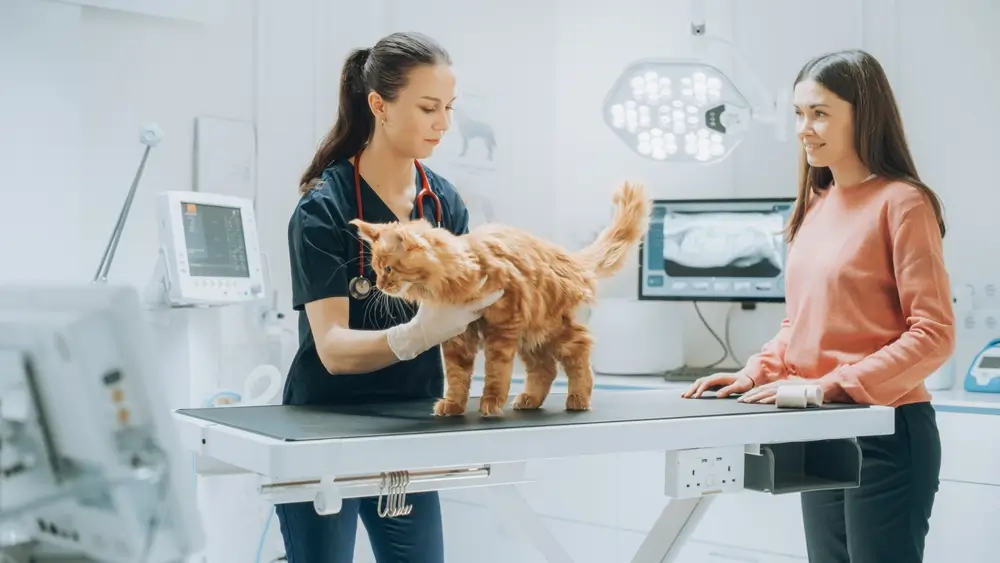
One factor contributing to aggressive (and expensive) pet treatment is the pressure on clinics to invest in cutting-edge diagnostic equipment. Pet owners today are often familiar with human medical technology – if our own doctors would order an MRI or blood panel, we expect vets to do the same for Fido or Fluffy.
To meet these expectations (and to stay competitive), many veterinary clinics have acquired advanced tools like digital X-ray machines, ultrasound imaging, endoscopy gear, and even CT or MRI scanners in larger hospitals. These tools unquestionably improve diagnostic accuracy and can save lives by catching problems early. But for a small business, they are huge capital expenses – an MRI machine can cost hundreds of thousands of dollars, and even a basic X-ray setup plus developer software is a significant investment.
Once a clinic owns these devices, there is a financial imperative to use them. Each scan or test generates revenue to help recoup the sunk cost. This can create a subtle incentive to lean toward more testing, more often, even for cases that in the past might have been managed with a wait-and-see approach. For example, if a dog comes in vomiting, an old-fashioned vet might have given an anti-nausea injection and asked the owner to observe for 24 hours.
Now, it’s common to immediately run blood tests and take X-rays – or refer to a centre for an abdominal ultrasound – adding substantial cost. One experienced vet noted seeing clients come from an after-hours emergency clinic with a $1,200 bill just for overnight fluids and inconclusive tests on a vomiting dog. “They haven’t actually treated the dog with anything,” he said – whereas in his clinic, a simple microscopic exam of a stool sample (costing next to nothing) revealed the dog had food poisoning[12].
Stories like this suggest that more diagnostics aren’t always better care, especially if they don’t change the treatment plan. But in a high-tech hospital, there may be an impulse to use all the bells and whistles “just to be sure,” or to cover one’s bases defensively.
Vets themselves acknowledge this tension. Diagnostic tests are invaluable tools, yet over-reliance on testing can inflate bills without improving outcomes. PetSure, a major pet insurer, found the frequency of claims for diagnostic tests (like bloodwork) has been rising about 14% year-on-year[13][14] – reflecting an ethos of thorough work-ups for even minor ailments.
The uptick in testing is partly due to greater awareness of preventive care (catch issues early, owners willing to pay) and partly due to clinics being equipped to perform these tests in-house now. It’s good medicine to an extent, but it must be balanced against cost and clinical judgment. As a pet owner, it’s worth asking your vet: If we do this test, how will it change the treatment? Sometimes the answer is, “Not much, immediately” – in which case you might consider whether it’s necessary or if a trial therapy or monitoring first could make sense.
Advanced imaging is a particular cost driver. In human medicine, you wouldn’t get an MRI for a sprained knee without a specialist referral and insurance approval. In vet land, MRIs and CT scans are more readily offered for a range of issues (neurological problems, orthopaedic injuries, cancer staging). They provide phenomenal detail, but a single scan can cost $2,000–$6,000 or more because the clinic must cover the machine’s operating cost and the specialist’s time.
The Australian veterinary sector has largely kept pace with human medicine’s tech – and that high-tech care is priced accordingly[15]. From a business standpoint, these investments are a gamble: a practice that installs a top-of-the-line CT scanner is banking on enough pet owners opting for costly scans to make it worthwhile. Inevitably, those clinics will recommend imaging more often, both because it’s available and to see a return on the investment. An expensive machine sitting idle is lost income.
None of this is to say that vets cynically run unnecessary tests on every patient. Rather, it’s a systemic shift: the default approach in veterinary care has tilted toward doing more, earlier, to avoid missing anything – and yes, to generate revenue to pay the bills.
For pet owners, this means you might be presented with an array of diagnostics (blood panels, X-rays, ultrasounds) for a problem that years ago might have simply been given some time and symptomatic treatment to see if it resolves.
It can be bewildering and financially straining. Remember, you are allowed to ask questions: What is the likelihood this test will find something significant? Are there simpler or cheaper options to try first? Can we treat empirically and only escalate if the pet doesn’t improve? A trustworthy vet will be happy to discuss these options. If you feel you’re on a conveyor belt of “test first, explain later,” it may be a sign to pause and get clarity.
Corporate Vet Clinics and Private Equity Influence
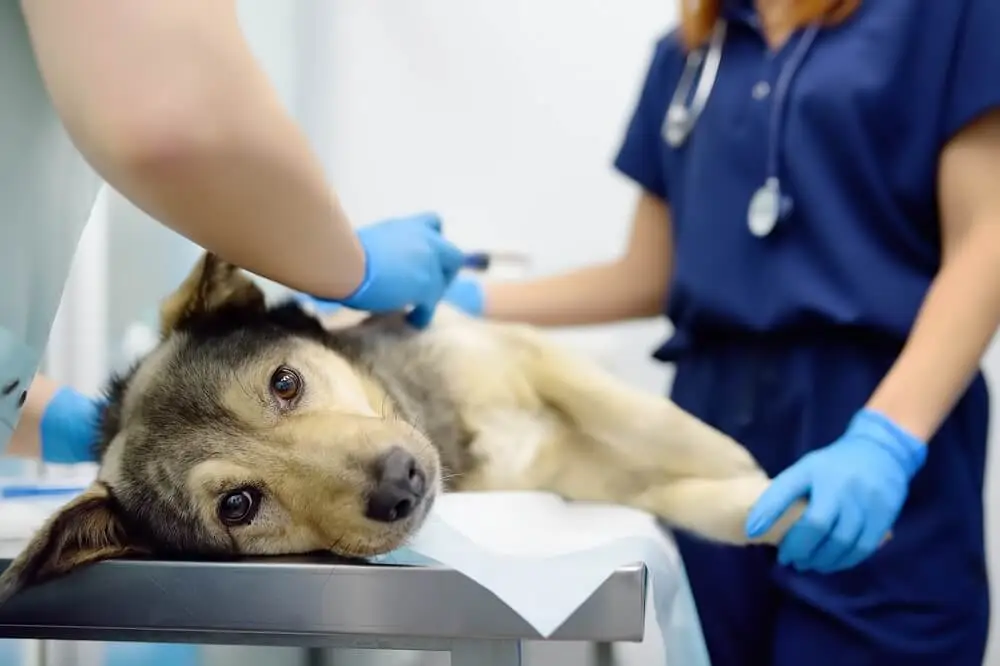
Perhaps the most profound change in recent years is who owns your local vet clinic. Once, nearly all vet practices were owned by the veterinarians who worked in them – professionals whose primary motivation was medicine (with enough profit to keep the lights on).
Today, however, Australia’s veterinary industry is experiencing rapid corporatisation. By 2023, an estimated 15–20% of vet clinics nationwide are owned by large corporate groups[16]. These include chains backed by private equity firms and even pet food/pharmaceutical companies.
Two major players dominate: Greencross, a network of over 170 clinics (owned by U.S. private equity giant TPG Capital as of the late 2010s), and VetPartners, which has absorbed nearly 200 clinics under a consortium led by JAB Holdings (a German private equity firm)[17][18]. Each year, more independent vets retire or sell out, and the corporate footprint grows. Industry analysts liken buying a vet clinic to a “blue chip stock” – a reliable money-maker – which has attracted big investors[19].
What does corporate ownership mean for pet care and pricing? The corporate groups will tell you that nothing changes – they maintain that vets in their clinics have full clinical autonomy and are not paid commissions or pressured to meet revenue targets[20][21]. Indeed, Greencross stated its vets “are not remunerated by commission…and compensation is certainly not a driver of clinical decisions”[22]. However, investigative reports and testimonies from veterinarians paint a more complicated picture. Multiple sources have confirmed that some after-hours and corporate-owned centres used incentive schemes, where vets and staff earned bonuses based on how much they billed[23][24].
A retired vet of 47 years was blunt: “There is absolutely no doubt that at some after-hours centres they have incentives for staff to charge people as much as possible”[23]. Another vet described it as a “moral bind” – knowing he could perform a procedure immediately and earn a personal commission, or wait until daytime (when it wouldn’t count toward a bonus)[25].
Even without formal commissions, corporate practices often set Key Performance Indicators (KPIs) for things like average transaction value, diagnostic tests per patient, or number of procedures. Several vets interviewed by journalists indicated that revenue targets and KPI pressures do exist in some corporate clinics, leading to more aggressive upselling of treatments and services[16].
Simply put, a clinic now owned by a private equity firm has to deliver profits to its shareholders. That profit motive can subtly shift the culture from “what’s best for the pet” to “what will generate income – as long as it’s justifiable for the pet.”
It’s important not to paint all corporate veterinary chains with the same brush. Many employ wonderful, ethical veterinarians who push back against any directive that isn’t in an animal’s best interest. Corporate HQs often reinvest in facilities, training, and technology that can improve care quality. And some corporate consolidators like VetPartners claim to take a lighter touch (“join us, stay you,” allowing clinics to keep their original name and team)[26]. However, the fundamental difference between an independent practice and a corporate-owned one is the financial mandate. A solo practice might be satisfied breaking even or taking a modest profit in a tough year if it meant helping clients; a corporate practice will have yearly growth targets and pressure to maximise earnings.
One concerning allegation surfaced in early 2020 at a Greencross meeting: according to a former vet from the company, staff were instructed not to perform certain procedures in one go if they could be split into two visits. Specifically, they were allegedly told “not to extract a pet’s bad tooth immediately during a dental cleaning – instead, do the cleaning (and charge for anesthesia), then tell the owner to come back in a few weeks for the extraction under a second anesthesia”[27].
The rationale would be obvious: two procedures mean two separate charges (and two uses of the facilities) instead of fixing the issue in one session. Greencross’s management denied this, responding that sometimes dental disease is more extensive than expected and it’s appropriate to stage procedures for the animal’s benefit[28]. Still, the fact such an accusation was made at all highlights the mistrust some vets have in the corporate model.
Corporate consolidation also affects where your pet gets treated. Dr. Scot Plummer, a Brisbane vet with 30+ years’ experience, observes that many general clinics now act as “funnels” to referral hospitals and after-hours emergency centers[29]. Whereas previously a local vet might attempt a complex surgery or manage an overnight case themselves, today they are more likely (or required by company policy) to refer you to a sister hospital that specialises in that service.
This can improve outcomes – specialists are highly trained – but it invariably means higher costs, since specialist centres charge more than GP vets. It can also feel like getting the run-around: you see one vet, pay for an exam, then you’re sent to another facility and pay again. Dr. Plummer notes this structure has contributed to rising costs and sometimes animals being “unnecessarily put down” because owners can’t afford the expensive referral route[30][31]. In fact, he’s had clients travel interstate to his clinic to avoid high prices at corporate hospitals: one pet owner drove from NSW to Queensland for a $3,000 surgery with Dr. Plummer after being quoted up to $8,000 by a big chain clinic – with no guarantee of no complications or further costs[32][33]. Even adding fuel and travel, the out-of-pocket was far less.
The Australian Competition and Consumer Commission (ACCC) has acknowledged the lack of pricing oversight in vet services. Unlike human healthcare, there’s no standard fee schedule or Medicare rebate to anchor prices. The ACCC says vet businesses are generally free to set their own charges, as long as they’re not colluding or misleading consumers[34]. So, fees can vary wildly: a routine procedure might cost twice as much at a fancy urban animal hospital compared to a small country vet.
This makes it essential for owners to shop around and, if feasible, get a second opinion or quote for expensive treatments[35]. Many pet owners stick with the closest clinic out of convenience or loyalty but remember that you have options – even if it means phoning a clinic in a neighbouring suburb or checking if a non-profit or university vet hospital can help.

From “Wait and See” to “Do Everything”
Another cultural shift in pet care is how veterinarians approach treatment plans. Older generations of vets (and owners) might recall a more frugal, minimalist style of practice: if a pet’s condition wasn’t too serious, the vet might prescribe basic meds and rest and wait to see if it improves.
There was an understanding that not every illness requires exhaustive intervention. Today, however, the default is often to do as much as possible, as early as possible. Some of this, as discussed, is due to technology and corporate policy. But another part is the changing attitude of pet owners themselves. We increasingly view pets as family members- “fur babies”-and feel obligated to pursue every available avenue to help them, just as we would for a human child. Vets, in turn, want to offer every chance at a cure or a longer life.
This “do everything” ethos can sometimes spill into over-treatment or over-diagnosis. Well-meaning vets might throw the kitchen sink at a case out of caution or hope, but the outcome may not justify the cost and stress on the animal.
For example, consider an elderly cat with kidney disease and heart problems. Twenty years ago, a vet might have offered palliative care and let the cat enjoy its remaining time comfortably. Now, the cat might be referred to a cardiologist, a nephrologist, put on multiple drugs, special diets, frequent blood tests – thousands of dollars for maybe a few extra months, much of it back-and-forth to clinics. Just because we can treat something, doesn’t always mean we should.
Veterinarians themselves are grappling with this. One issue raised by some Aussie vets is the emergence of “heroic” treatments that prolong life at the expense of quality of life. “We’ve almost got a reverse ethical problem now,” science reporter Liam Mannix observed after speaking with vets. In the past, economic euthanasia (putting an animal down because the owner couldn’t afford treatment) was tragically common.
Now, with more owners willing to pay anything, vets see the opposite: pets being kept alive through invasive interventions that technically extend life, but maybe not the life the pet would want if it could choose[36]. Think of a dog on its third round of chemotherapy, constantly sick from side effects, or a frail cat enduring repeated surgeries. “How good a quality of life is this dog having while being treated for cancer?” is the kind of hard question vets are asking[37].
These are deeply personal decisions, and it’s not that there’s a universal right or wrong. But as a pet owner, you should feel empowered to discuss the goals of care with your vet. Is the aim to cure, to extend life no matter what, or to ensure the pet’s remaining time is pain-free and happy? Sometimes, saying “no” to a risky surgery or a fourth round of chemo is not “giving up” on your pet – it’s choosing a kinder path**.
Palliative care and even euthanasia can be the most compassionate choice when an animal is suffering or when treatment is likely to cause more distress than relief. No veterinarian should bully or guilt-trip you into aggressive care if your gut tells you it’s too much for your pet. In fact, many vets will honestly tell you when they think it’s time to consider letting go. They see what the animals go through, and the good ones never want to prolong suffering for the sake of it (or for a payday).
Unfortunately, not all vets communicate this clearly. It can be hard – even for human doctors – to initiate the “should we continue treatment?” conversation. A journalist who investigated vet costs noted that some vets struggle to have end-of-life discussions because they’re trained to save lives, and owners often signal they want to “do everything”[38][39]. The result is that the treatment machine keeps rolling until the owner finally says stop or funds run out. As an owner, don’t be afraid to ask your vet frankly: What would you do if this were your own pet? Many veterinarians will answer with remarkable honesty. Also ask about the pet’s comfort – Are we doing this for his benefit, or because we can? A sincere vet will appreciate that question.
Consider also the option of at-home euthanasia when the time comes. A growing number of vets (independent or mobile services) offer to perform euthanasia in the pet’s home, where they feel safe and loved, rather than the stress of a clinic.
This isn’t about “promoting” a service; it’s about highlighting a humane choice that owners sometimes don’t realise is available. If your pet is terminal or in unmanageable pain, helping them pass peacefully in familiar surroundings can be a final gift of love. It’s never an easy decision, but alleviating suffering is as much a part of pet ownership as healing injuries.

The Business Model Behind the Bill
Understanding how vet clinics make money can help demystify why that simple visit “for a lump on the paw” ended up costing $1,000. First, it bears repeating veterinary clinics are businesses, but not subsidised like human healthcare.
In human medicine, Medicare covers all public hospital costs and a significant portion of GP and specialist fees; the Pharmaceutical Benefits Scheme (PBS) makes most medications affordable[9]. There is no equivalent for pets. Aside from some charities and teaching hospitals that discount services, vet care in Australia is almost entirely user-pays.
The fee you pay isn’t just lining pockets – it’s covering salaries, rent, medical supplies, lab fees, equipment purchase and maintenance, insurance, licensing, continuing education for staff, and more[40]. Running a practice in a city, with high rents and multiple nurses and vets on payroll, means higher prices than a one-vet country clinic in a building they own outright.
The AVA notes that fees vary widely because each clinic’s overheads and cost structure differ[41]. So a big fancy hospital with an MRI and 10 vets will inevitably charge more per service to sustain that infrastructure than a smaller clinic with two vets and basic equipment[42].
That said, the pursuit of profit can indeed inflate prices beyond what’s needed to just cover costs. Private equity-owned groups expect a strong return on investment – often looking for 15%+ profit margins. This can lead to higher markups on medications (some corporate clinics have been noted to derive 20–25% of revenue from medication sales with healthy margins[43]) and higher fees for services.
Another trick is itemising every service (charging separately for things an independent vet might bundle in). For instance, a corporate vet might bill consultation + hospitalisation fee + IV fluid setup fee + per hour fluid charge + bandaging fee + nursing care fee, etc., turning an overnight stay into a stack of charges. An independent vet might simply charge a flat daily hospital rate inclusive of basic care. Neither approach is “wrong” – but as a consumer, you can ask for clarification of charges and whether some costs can be trimmed or combined.
Some corporate clinics also enroll clients in wellness plans or memberships – for an annual fee, you get discounts or free consults. These can be useful if they align with your needs but remember the goal of any loyalty program is to secure your continued business (and perhaps encourage you to come in more often). Evaluate them like you would any service contract.
A notable aspect of the vet business model is that most clinics are not getting rich. Veterinary services have high fixed costs and, unlike human hospitals, cannot bill an insurer or government a sky-high amount and negotiate down.
Many clinic owners say they struggle to turn a profit, especially when competing with corporate groups that bulk-buy supplies or set up next door. Ironically, this has driven more sales to corporations: a tired owner gets an offer of a million dollars from a chain and decides it’s time to take it and retire, rather than continue fighting rising costs and staffing shortages.
Australia’s vet workforce shortage (exacerbated by a pandemic pet boom – thousands more pets acquired, not enough new vets graduating) has also increased operating costs, as clinics must pay higher salaries to recruit or retain veterinarians[44]. The big chains can afford to pay above award rates and offer bonuses, which can poach staff from small clinics. If your vet has been adding “temporary surcharge” fees or slightly raising consult prices, it might be because they’re trying to afford a locum (fill-in vet) at $1,000 a day to cover staff shortages.
All these pressures funnel down to the pet owner footing the bill. It’s a tough reality – vets are simultaneously compassionate caregivers and service providers selling a product (health care for your animal).
As a pet owner, recognising this dual role is key to navigating vet visits. You are allowed to be financially conscious and a loving pet parent at the same time. Just because a vet suggests a procedure doesn’t mean you must consent without question. You can ask for the cost and say you need to consider it. You can inquire if there are cheaper alternatives or if the timing is urgent or can wait.
If money is tight, be upfront with your vet about it – many clinics have options like payment plans, deferred payment providers (e.g., VetPay or “buy now, pay later” services), or can prioritise which tests/treatments are most important. Some vets will quietly give a discount or not charge for a follow-up consult if they know you’re struggling (especially independent vets who have more flexibility to do so). There are also charities and non-profits in Australia, such as the Animal Welfare League’s community vet clinics, that offer low-cost treatment for those in genuine need[45][46]. Don’t be too proud to reach out if you qualify – these services exist to prevent animals being euthanised or untreated due to finances.
Is the System Broken? (And How to Fix It)
From the above, it’s clear that the veterinary care system has cracks. Costs are rising beyond inflation, corporate consolidation is introducing profit pressures, and there’s no external subsidy or regulation keeping prices in check. In many ways, it is a broken system when compassionate pet lovers have to choose between financial ruin or their pet’s life.
Veterinarians themselves suffer under this system: it’s well-documented that the vet profession has one of the highest rates of burnout, depression, and even suicide. Part of that stems from daily ethical and emotional strain. As one vet shared, an estimated 40% of his clients cannot afford the ideal treatment he recommends, forcing him to propose lesser alternatives or face euthanising treatable animals[39][48].
Imagine the toll of putting pets to sleep primarily because of money – or conversely, the toll of carrying out intense treatments that the vet knows may only marginally help.
Veterinarians love animals (why else endure years of difficult training for relatively modest pay?), and being caught between an animal’s welfare and an owner’s finances is agony. One vet interviewed noted that on any given day, they might have to euthanise several healthy or fixable pets because the owner can’t pay; “you can understand why that’s pretty heartbreaking,” he said[49]. These stresses contribute to mental health challenges for vets[50]. So, when we talk about the system being broken, it’s not “vets vs owners” – both are getting a bad deal in the current environment.
What can be done? On a macro level, some have called for government action – perhaps not full “Pet Medicare,” but maybe subsidising certain emergency vet services or providing funding to community vet clinics for low-income pet owners[51].
There’s also room for stronger oversight on pricing transparency: requiring vets to disclose ownership (some corporate chains use different clinic names so you might not realise two local clinics are actually the same company) and to offer written estimates and alternatives. The U.K. recently launched an inquiry into vet pricing amid concerns of consolidation and lack of competition, and Australia could follow suit in examining if the market is truly fair for consumers[34].
On the individual level, education and openness are key. Owners being savvy about when they’re getting a fair deal will push vets to stay reasonable. Vets who maintain ethical standards despite corporate pressures should be celebrated and supported. If you find a veterinary team that consistently puts your pet’s interest first and respects your financial boundaries, that relationship is gold – stick with them.
Which brings us to a final point: the value of local, independent vets. While there are excellent vets working in big chains, an independent clinic may offer a different ethos. Because they aren’t answering to distant executives, these vets can often be more flexible on pricing and more personalised in care.
They build long-term relationships in the community and succeed by trust and word-of-mouth, not upselling.
Many pet owners report that switching to a smaller independent vet led to more honest conversations and fewer “extras” on the bill. An independent vet is also less likely to automatically refer every complicated case to a pricey specialist; they might attempt more in-house (within their competence) or find creative solutions that spare you the referral fees.
As one Brisbane clinic blog put it, “support independent practices that prioritise personalised care and maintain the traditional values of the profession”[52][53]. If your current vet experience leaves you feeling like you’re at a car dealership being sold add-ons, it could be time to get a second opinion at an independent practice.
Of course, independent doesn’t guarantee saintly – any clinic can overcharge – but the ownership model does remove the private equity profit mandate from the equation.
Conclusion: Advocating for Your Pet with Confidence
The title of this piece – “Your Pet is Unwell? That’ll be $1,000.” – captures a common frustration of modern pet ownership. We accept that caring for the animals we love isn’t free, but we sense that something in the system is off when even minor ailments can rack up four-figure bills.
By peeling back the curtain on the veterinary industry, we’ve seen that it’s a complex web of compassion and commerce. Vets want to heal animals, but they operate in a landscape that increasingly pushes expensive solutions and corporate profit goals. Pet owners just want to do right by their furry family but can feel powerless in the face of medical uncertainty and emotional pressure.
The good news is that knowledge is power. With an understanding of why vets recommend what they do, and awareness of your own role in decision-making, you can navigate pet health care in a way that balances your pet’s wellbeing, your conscience, and your wallet.
You can question a $1,000 quote without questioning your love for your pet. You can be an advocate by seeking options and standing up to any pressure that doesn’t feel right. And crucially, you can recognise when the kindest act is to let go, without succumbing to guilt or second-guessing.
Most veterinarians are allies in this journey – they want to work with thoughtful, engaged pet owners. By approaching vet care as a collaboration (rather than a one-sided transaction), you build mutual respect.
The system may be broken, but together informed owners and ethical vets can bend it back toward what really matters: caring for animals in a humane, sustainable way.
In the end, you are your pet’s voice and protector. Ask the hard questions, weigh the advice, and trust yourself to make the choice that is best for your companion.
Your pet doesn’t care how much you spend – they care about your love and comfort. Sometimes the most caring thing might be a high-tech surgery; other times it might be a hug and a tearful goodbye at home. Either way, let empathy and sense – rather than dollars alone – guide you. Your pet, and your pocket, will be better off for it.
Sources:
- ABC News – “High cost of veterinary care at major chains causing pets to be unnecessarily euthanised, senior vets say” [54] [19]
https://www.abc.net.au/news/2021-09-25/qld-pet-surgery-fees-vet-clinics-pricing/100482206 - ABC News – “Huge vet bills forcing cash-strapped pet owners to make an impossible choice” [10] [31]
https://www.abc.net.au/news/2025-05-22/vet-bills-leaving-pet-owners-with-few-options-cost-of-living/104826358 - Sydney Morning Herald/The Age – “Pricey pets – why are vet bills skyrocketing?” (Morning Edition podcast transcript) [1] [16]
https://www.listennotes.com/podcasts/the-morning-edition/pricey-pets-why-are-vet-HleQZWTDrwg/ - Choosi Pet Insurance – “The cost of a vet visit in 2025” [55] [5]
https://www.choosi.com.au/pet-insurance/articles/cost-of-vet-visit-2025 - PetSure – “Under the hood: Why Are Veterinary Costs in Australia Rising?” [7] [15]
https://petsure.com.au/knowledge-hub/why-veterinary-costs-in-australia-are-rising/ - Newstead Vets (Blog) – “The Corporate Shift in Veterinary Care” [52] [53]
https://www.newsteadvets.com.au/NewsteadVets/Blog/The-Corporate-Shift-in-Veterinary-Care-Implications-for-Veterinarians-and-Animal-Welfare - VetVoice (Australian Veterinary Assoc.) – “The Cost of Veterinary Care Explained” [9] [40]
https://www.vetvoice.com.au/articles/the-cost-of-veterinary-care-explained/ - The Morning Edition (podcast) | Listen Notes – “Pricey pets – why are vet bills skyrocketing?” [1] [2] [16] [21] [34] [35] [36] [37] [38] [39] [48] [49] [50]
https://www.listennotes.com/podcasts/the-morning-edition/pricey-pets-why-are-vet-HleQZWTDrwg/ - ABC News – “High cost of veterinary care at major chains causing pets to be unnecessarily euthanised, senior vets say” [3] [8] [11] [12] [17] [18] [19] [20] [22] [23] [24] [25] [26] [27] [28] [29] [30] [31] [32] [33] [44] [45] [46] [54]
https://www.abc.net.au/news/2021-09-25/qld-pet-surgery-fees-vet-clinics-pricing/100482206 - Choosi – “How much does it cost to see a vet in 2025?” [4] [5] [42] [55]
https://www.choosi.com.au/pet-insurance/articles/cost-of-vet-visit-2025 - VetVoice – “The Cost of Veterinary Care Explained” [6] [9] [40] [41] [47]
https://www.vetvoice.com.au/articles/the-cost-of-veterinary-care-explained - PetSure – “Under the hood: Why Are Veterinary Costs in Australia Rising?” [7] [13] [14] [15]
https://petsure.com.au/knowledge-hub/why-veterinary-costs-in-australia-are-rising/ - ABC News – “Huge vet bills forcing cash-strapped pet owners to make an impossible choice” [10] [51]
https://www.abc.net.au/news/2025-05-22/vet-bills-leaving-pet-owners-with-few-options-cost-of-living/104826358 - The Guardian – “Vet practices: the competition watchdog is barking up a promising tree | Nils Pratley”
https://www.theguardian.com/business/nils-pratley-on-finance/2024/mar/12/vet-practices-the-competition-watchdog-is-barking-up-a-promising-tree - Newstead Vets – “The Corporate Shift in Veterinary Care: Implications for Veterinarians and Animal Welfare” [52] [53]
https://www.newsteadvets.com.au/NewsteadVets/Blog/The-Corporate-Shift-in-Veterinary-Care-Implications-for-Veterinarians-and-Animal-Welfare
Search Independent Vets
Why Choose an Independent Vet?
Personalised Care
Don't just search for a vet near me, find an independent vet near you. Independent clinics love building relationships with you and your pet – you’re not just another appointment in the system.
Community Focused
Local vets are part of your community. They support neighbourhood initiatives, get to know families, and often treat multiple generations of pets.
No Corporate Pressure
Large corporate-owned clinics often face business targets and upselling pressures. Independent vets have more flexibility to recommend the best option for your pet.