
If you’ve taken your pet to the vet recently and felt your stomach drop at the invoice, you’re not alone.
Across Australia, pet owners are asking the same question:
Why are vets so expensive?
Consultation fees that used to sit under $70 can now be $90–$120 or more. Emergency visits can run into the thousands. Surgery can easily climb into five figures.
It feels steep. And for many households already managing rising living costs, it can feel overwhelming.
But the reality behind veterinary pricing is more complex than most people realise.
Let’s break it down properly.

1. There Is No Medicare for Pets
The most important difference between human healthcare and veterinary care is this:
There is no government subsidy.
No Medicare.
No PBS for medications.
No public hospital system absorbing infrastructure costs.
Every cent required to run a veterinary clinic must come directly from client fees.
When you see a GP and pay $40 out of pocket, the actual cost of that appointment may be double or triple that. The rest is covered by the government.
With pets, you are seeing the full, unsubsidised cost.
That alone explains a large part of the price difference.
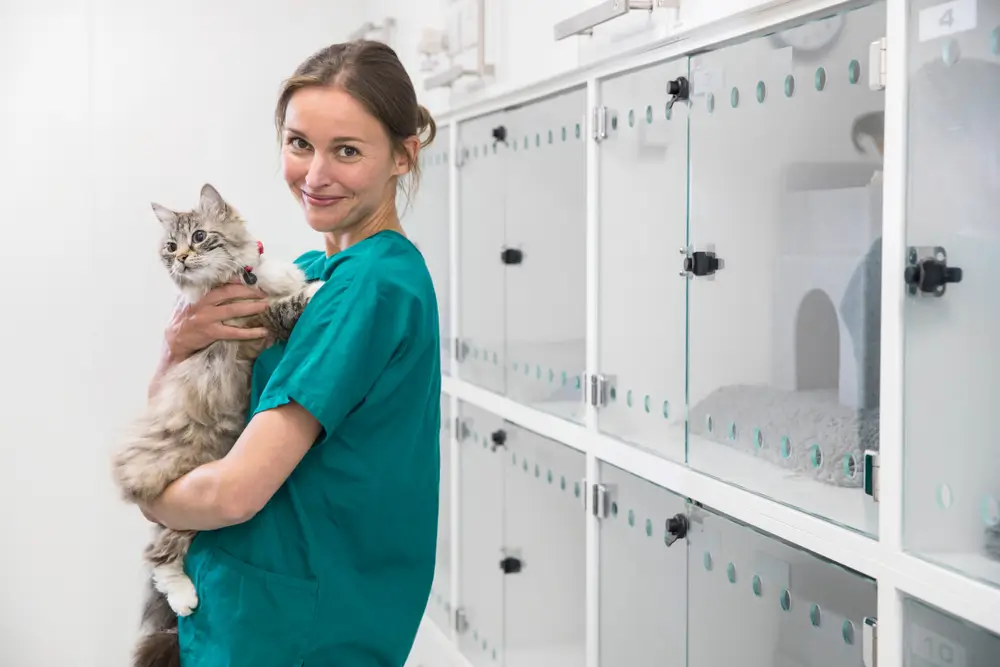
2. A Vet Clinic Is Essentially a Small Hospital
Many people picture a vet clinic as a small business with a few staff and some basic equipment.
In reality, most clinics operate like compact hospitals.
They need:
- Surgical theatres
- Anaesthetic machines
- Digital X-ray systems
- Ultrasound equipment
- In-house pathology machines
- Sterilisation systems
- Monitoring equipment
- Controlled drug storage
- Emergency facilities
On top of that, there are:
- Nurses
- Reception staff
- Practice managers
- Insurance
- Rent or mortgage
- Electricity and utilities
- Software systems
- Waste disposal contracts
And every piece of equipment needs maintenance, calibration and compliance.
Unlike human hospitals, those infrastructure costs are not funded publicly. They are funded by consultations and procedures.
3. Veterinary Education Is Long and Expensive
Becoming a veterinarian in Australia is not easy.
It requires:
- 5–7 years of university study
- Competitive entry requirements
- Ongoing professional development
- Licensing and registration
Vets are trained to treat multiple species. A GP treats one species. A vet may treat dogs, cats, rabbits, reptiles, birds and more.
They need to understand surgery, dentistry, dermatology, internal medicine, emergency care and pharmacology across species.
That level of training comes at a cost.
Interestingly, despite perceptions, veterinary salaries in Australia are generally lower than many comparable medical professions when measured against education length and responsibility.
So, while bills are high, individual vets are not necessarily earning what people imagine.
4. Emergency and After-Hours Care Is Inherently Expensive
Emergency veterinary hospitals operate 24/7.
That means:
- Night shifts
- Weekend shifts
- Public holiday staffing
- Higher wage penalties
- Specialist availability
Running a hospital overnight with full monitoring capability is costly.
When a pet is admitted for critical care, the fees often reflect:
- Continuous nursing supervision
- IV fluids
- Monitoring equipment
- Diagnostics
- Medication
- Specialist input
It can escalate quickly.
And because pets cannot explain symptoms verbally, vets often need diagnostic testing to identify what is wrong. That adds to the bill.

5. Advanced Medicine Has Become the Norm
Twenty years ago, many conditions simply were not treated.
Today, pets receive:
- Orthopaedic surgery
- Chemotherapy
- Advanced imaging
- Dental surgery under general anaesthetic
- Specialist referrals
The standard of care has risen dramatically.
Owners expect their pets to live longer and receive treatment similar to human care. That expectation changes pricing.
Modern veterinary medicine is sophisticated. Sophisticated medicine is not cheap.
6. Rising Costs Across the Board
Veterinary clinics face the same pressures as every other business in Australia:
- Rent increases
- Wage growth
- Inflation
- Supply chain costs
- Increased medication prices
Medications for animals are not subsidised. Import costs and manufacturing changes can push prices up significantly.
During and after the pandemic, pet ownership increased sharply. Demand for veterinary services rose. Workforce shortages followed.
Fewer vets servicing more animals creates pressure on pricing and availability.
7. Corporate Ownership – Does It Make a Difference?
There has been increasing consolidation in the veterinary industry. Large corporate groups now own many clinics across Australia and we know what happens when corporate interests take over.
Some pet owners believe this has driven prices higher. Corporate practices often have:
- Centralised systems
- Brand standards
- Broader service offerings
- Higher overhead structures
However, independent veterinary clinics also face rising operational costs. There does seem to be more pressure on vets in corporate owned clinics to hit targets and generate revenue vs the independent clinics.
So, although corporate ownership may influence pricing structures, but it is only one piece of a much larger economic picture.
8. Why Do Vets Ask for Upfront Payment?
Another common frustration is upfront payment requirements.
Unlike human hospitals, vet clinics do not have government safety nets or large funding buffers.
If a clinic performs a $6,000 surgery and the client cannot pay, the clinic absorbs the loss.
Upfront payment protects the sustainability of the business.
It is rarely about distrust. It is about financial viability.
9. Are Vets Overcharging?
This is where the conversation becomes emotional.
When you are stressed about a sick pet, cost feels personal.
But most vets enter the profession because they care about animals, not because it is highly lucrative.
Burnout and mental health pressures are well documented within the profession. Many vets report high stress levels, especially when financial constraints limit treatment options.
In most cases at independent vets, fees reflect operating costs rather than excessive profit margins. At corporate owned clinics however the vets do not set the pricing and they can be set performance targets/expectations which can result in increased costs to the client.

10. What Can Pet Owners Do?
Understanding the structure of the industry helps, but it does not make bills easier.
Practical steps include:
- Choose an Independently owned vet
- People don’t behave like corporations and corporations don’t behave like people.
- Considering pet insurance early in your pet’s life
- Setting aside a pet emergency fund
- Asking for treatment estimates
- Discussing staged treatment options
- Seeking clarification on diagnostics and alternatives
Open communication with your vet can make a significant difference.
The Bigger Picture
Veterinary care in Australia operates within a fully private system. There are no subsidies, no public funding and no universal safety net.
At the same time, expectations for pet healthcare have risen. Medicine has advanced. Overheads have grown.
The result is a gap between what pet owners expect to pay and what it actually costs to deliver high-quality veterinary care.
If you would like a deeper breakdown of how veterinary pricing has evolved in recent years, you can read our related article: Why Vet Costs Are Rising, And How Independent Clinics Keep Care Transparent
Final Thoughts
The question is not simply why vets are expensive.
A better question might be:
What does it actually cost to run a small, fully equipped hospital with no government support?
When viewed through that lens, veterinary pricing begins to make more sense.
It is still confronting.
But it is rarely arbitrary.
Search Independent Vets
Why Choose an Independent Vet?
Personalised Care
Don't just search for a vet near me, find an independent vet near you. Independent clinics love building relationships with you and your pet – you’re not just another appointment in the system.
Community Focused
Local vets are part of your community. They support neighbourhood initiatives, get to know families, and often treat multiple generations of pets.
No Corporate Pressure
Large corporate-owned clinics often face business targets and upselling pressures. Independent vets have more flexibility to recommend the best option for your pet.