
Bait Ingredients Pet Owners Should Know About
If you have read our main guide on SGARs and the hidden danger they pose to pets in your backyard, you already know why these rat and mouse poisons are such a concern for dogs, cats and wildlife. This page is the quick reference companion to that article: a plain list of second generation anticoagulant rodenticides so you can recognise the dangerous active ingredients on a bait packet without needing a chemistry degree.
Second generation anticoagulant rodenticides (SGARs) are a group of rat and mouse baits developed to be more potent and longer lasting than older poisons. They are sometimes called superwarfarins. The thing that matters most for pet owners is simple: if you see one of the five ingredients below on a label, you are looking at an SGAR, and it carries a real risk of secondary poisoning if your pet eats the bait or eats a rodent that has.
These products are now being phased out for general retail sale. The Australian Pesticides and Veterinary Medicines Authority (APVMA) has suspended SGAR registrations and major retailers are removing them from shelves, but plenty of bait already sold is still sitting in homes, sheds and bait stations. Knowing what to look for is still worth your time.
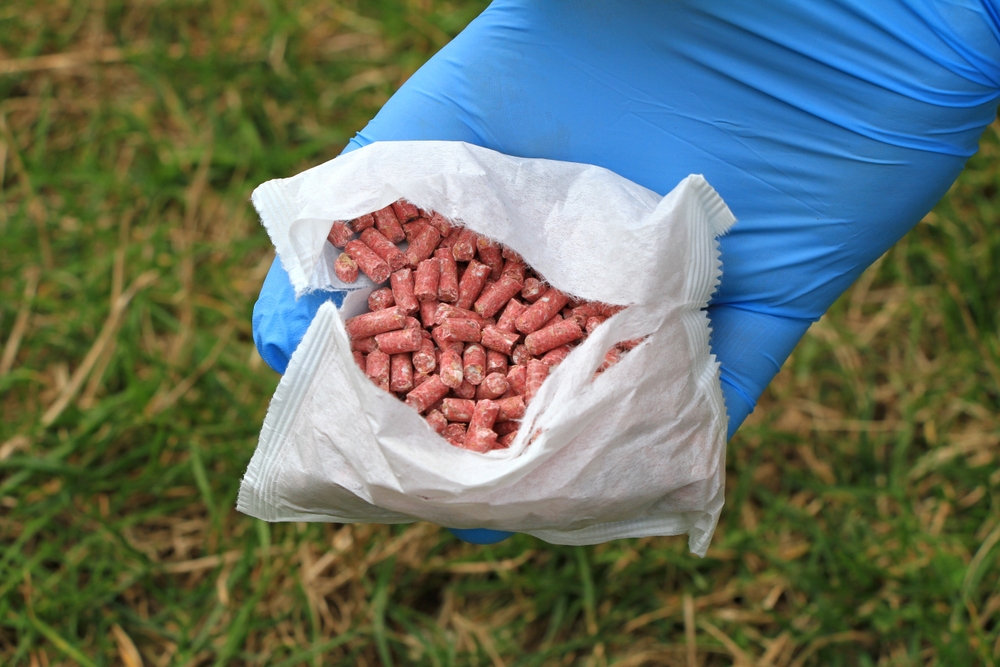
The list at a glance
| Active ingredient | Common use | Why it matters for pets |
| Brodifacoum | Rat and mouse bait | Highly persistent and the highest secondary poisoning concern of the group |
| Bromadiolone | Rat and mouse bait | Can affect dogs, cats and native wildlife |
| Difenacoum | Rodent bait | Long-lasting anticoagulant risk |
| Difethialone | Rodent bait | Potent anticoagulant ingredient |
| Flocoumafen | Rodent bait | Long-lasting SGAR ingredient |
How to read a rat bait label
The brand name on the front of the box will not tell you whether a product is an SGAR. The information you need is in the active ingredient or active constituent line, usually printed in small text on the back or side of the packaging. If that line names any of the five ingredients above, the product is a second generation anticoagulant rodenticide.
A few practical tips:
- The ingredient is listed by its chemical name, not “SGAR” or “second generation”, so you are looking for words like brodifacoum or bromadiolone specifically.
- Concentrations are tiny (often around 0.005 percent), so do not be reassured by a small number. These baits are designed to work in a single feed.
- If a label instead lists warfarin, coumatetralyl or diphacinone, that is a first generation bait. It is still a poison and still a risk to pets, but it does not persist in the body the way SGARs do.
A quick note on each ingredient
Brodifacoum is the one to be most wary of. It is among the most common SGARs and stays active in body tissues the longest, which is why vets treat brodifacoum cases with a longer course of Vitamin K1.
Bromadiolone is another widely sold rat and mouse bait. It is documented in poisoning cases in dogs and cats and is a known contributor to wildlife poisoning.
Difenacoum and difethialone are both potent, long-lasting anticoagulants used in rodent baits. Difethialone is closely related to brodifacoum in how it works.
Flocoumafen is less common in household products but is still a second generation ingredient with the same long-lasting profile, so it belongs on the watch list.
What they all share is the same basic mechanism: they stop blood from clotting properly. For the full explanation of how this affects a pet, the delayed onset of symptoms, and what treatment involves, see our main article, SGARs: The Hidden Danger for Pets in Your Backyard.

What to do if you find one of these in your home
Check any rat or mouse bait you own against the list above and remove anything containing one of the five ingredients, especially if pets have access to the area. If you are keeping or using any product during the phase-out, store it in a sealed, tamper-resistant station well out of reach of animals and children.
If you think your pet has eaten bait or a poisoned rodent, do not wait for symptoms. Call your vet or the Animal Poisons Centre on 1300 869 738 straight away. Early treatment is far safer and far less expensive than waiting until bleeding starts.
Frequently asked questions
The most common second generation anticoagulant rodenticides are brodifacoum, bromadiolone, difenacoum, difethialone and flocoumafen. These are the active ingredient names to look for on rat bait or mouse bait packaging.
Check the active ingredient line on the packaging. If it lists any of the five ingredients above, it is an SGAR. If it lists warfarin, coumatetralyl or diphacinone, it is a first generation bait.
All five interfere with blood clotting and can poison pets. Brodifacoum is generally considered the highest risk because it persists in the body the longest, but none should be treated as safe around animals.
Contact your vet or the Animal Poisons Centre (1300 869 738) immediately, even if your pet seems fine. Bring the packaging if you have it, because the specific active ingredient guides treatment.
This article is intended as general education for pet owners. It does not replace professional veterinary advice. If you have concerns about your pet’s health, always consult a qualified veterinarian.
Search Independent Vets

About the Author: Patrick Africano
Dr Patrick is the founder and lead veterinarian at Ark Angel Vet, providing in-home veterinary care with a focus on peaceful and compassionate end-of-life support. With extensive experience in small-animal medicine, Dr Patrick brings warmth, empathy, and professionalism to every visit. Dedicated to animal welfare and client comfort, Dr Patrick has earned deep trust across Perth for his gentle, respectful manner and genuine care for every patient.
Why Choose an Independent Vet?
Personalised Care
Don't just search for a vet near me, find an independent vet near you. Independent clinics love building relationships with you and your pet – you’re not just another appointment in the system.
Community Focused
Local vets are part of your community. They support neighbourhood initiatives, get to know families, and often treat multiple generations of pets.
No Corporate Pressure
Large corporate-owned clinics often face business targets and upselling pressures. Independent vets have more flexibility to recommend the best option for your pet.