
Rat Bait, Secondary Poisoning, and What Every Pet Owner Needs to Know
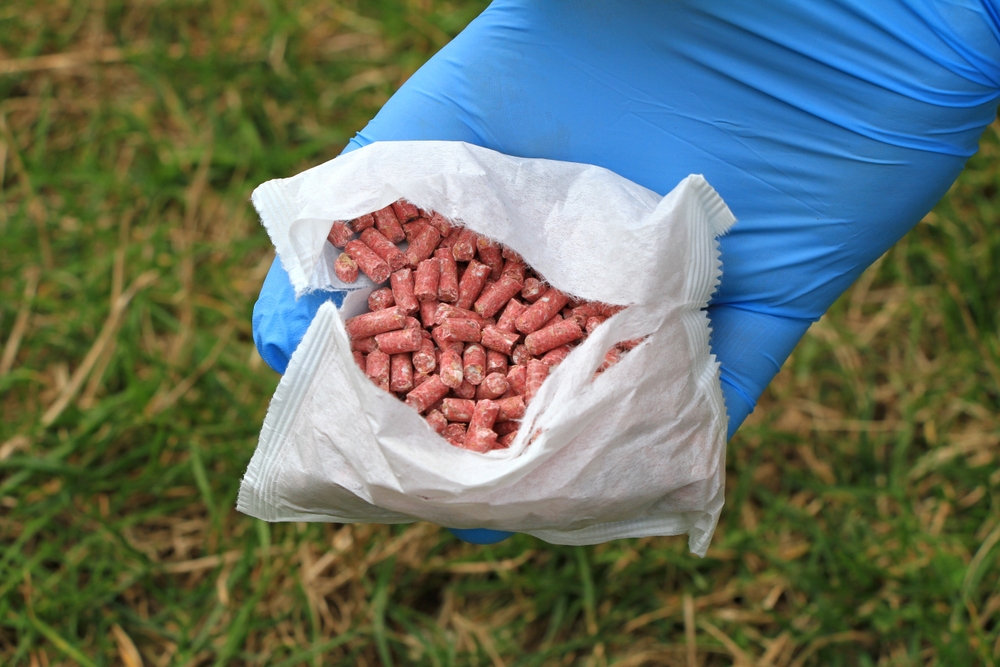
Second generation anticoagulant rodenticides, often called SGARs, are powerful rat and mouse poisons used to control rodents. They work by interfering with blood clotting, which means poisoned animals can die from internal bleeding. For pets, the danger is not only from eating bait directly. Dogs and cats can also be poisoned by catching or eating a rat or mouse that has already consumed the bait.
Australia is now in the middle of a long-overdue reckoning with these products. After years of pressure from scientists, wildlife advocates, and veterinary professionals, the Australian Pesticides and Veterinary Medicines Authority (APVMA) has announced a one-year suspension of all second-generation anticoagulant rodenticide registrations, effective 26 March 2026. Major retailers including Bunnings, Coles, and Woolworths are now required to pull these products from their shelves.
But here is the thing most pet owners do not realise: the danger does not disappear when you stop buying the bait yourself. If your neighbour is still using it, if there is an old bait station tucked under a shed somewhere, or if a poisoned rat wanders into your yard before it dies, your dog or cat may still be at risk.
This article is about that risk. Specifically, what happens when a pet eats a poisoned rat or mouse. It is called secondary poisoning, it is more common than people think, and the consequences can be fatal if you do not act quickly.
What Are SGARs, and Why Were They Sold at Bunnings?
Second-generation anticoagulant rodenticides are a class of rat and mouse poisons developed in the 1980s specifically to overcome a growing problem: rats were becoming resistant to older, first-generation baits. SGARs are far more potent. They contain active ingredients such as brodifacoum, bromadiolone, difenacoum, difethialone, and flocoumafen, and they are designed to kill rodents after a single feeding.
The problem, which researchers have spent the better part of a decade documenting, is that they do not just kill rats. They persist in the body tissues of anything that eats them, sometimes for months. When a predator eats a poisoned rat, the toxin transfers. This is secondary poisoning, and it is not a fringe concern. Research from Edith Cowan University found dangerous levels of SGARs in 60 per cent of powerful owl liver samples tested in Australia. The same mechanism that is devastating our native wildlife is also a serious and underappreciated threat to dogs and cats.
Until now, these products sat on Bunnings shelves next to safer alternatives, with little to distinguish them for the average consumer. No specialist knowledge was required to buy them. No professional oversight. Just a trip to the hardware store.
That changes from March 26. SGARs will now be restricted to licensed pest control professionals only. Bunnings has committed to removing affected products by June 30, nearly nine months ahead of the required 12-month implementation deadline. Other retailers are expected to follow.
But the products already sold are still out there. The rats already poisoned are still dying. And your pets are still at risk.

How Secondary Poisoning Actually Works
To understand secondary poisoning, you need to understand what SGARs do inside a rodent’s body.
When a rat eats anticoagulant bait, it does not die immediately. One of the most dangerous characteristics of SGARs is that they are slow-acting. The rat may continue feeding on the bait for several more days before it becomes sick, which means it can accumulate a far larger dose than what would be needed to kill it. Researchers note that a rat can eat enough poison to theoretically kill 20 rats before it starts to feel the effects.
Over three to five days, the rodenticide depletes the rat’s Vitamin K stores. Vitamin K is essential for blood clotting. Without it, the rat begins to bleed internally. It becomes disoriented, weak, and slow. This is when it becomes easy prey.
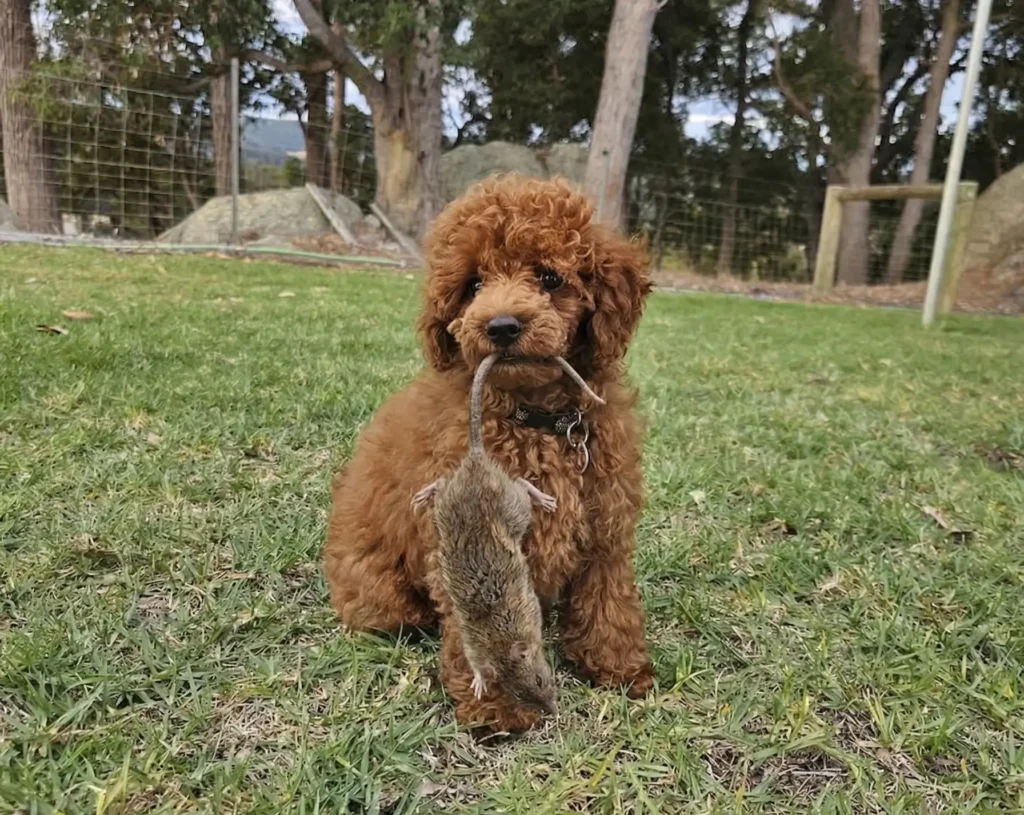
A curious dog does not need to hunt a healthy rat to be at risk. A sick, slow-moving rat stumbling around in daylight is practically an invitation. And once the dog eats that rat, every bit of brodifacoum or bromadiolone still sitting in that rat’s liver and gastrointestinal tract is now inside your dog.
The same anticoagulant mechanism that killed the rat begins working on your pet.
The Delayed Onset Problem: Why “She Seems Fine” Is Not Good Enough
This is the piece that catches people off guard most often, and it is the reason vets stress the importance of not waiting for symptoms before seeking help.
After a dog or cat ingests an anticoagulant rodenticide, whether directly from bait or through eating a poisoned rodent, it takes one to two days for the existing Vitamin K stores in their body to be depleted. Then, it takes a further three to seven days before visible signs of poisoning typically appear due to blood loss.
So your dog can eat a poisoned rat on a Monday, seem completely normal through Thursday, and then collapse on Friday.
By the time symptoms appear, the animal often has established internal bleeding. This significantly worsens the prognosis and substantially increases the cost and complexity of treatment. What might have been a manageable course of Vitamin K tablets becomes a hospitalisation, a blood transfusion, and a desperate fight.
Some second-generation baits, particularly those containing brodifacoum, can remain active in the body for up to six to eight weeks. This means even if your pet seems to recover, the risk is not over for a long time after.
Symptoms to Watch For
Because bleeding often occurs internally, symptoms are not always obvious. Internal bleeding can occur in the abdomen, chest, lungs, joints, and gastrointestinal tract. Here is what to look for:
Early or subtle signs:
- Lethargy or unusual tiredness
- Loss of appetite
- Pale or white gums
- Increased breathing rate
- Reluctance to move or exercise
More obvious signs of active bleeding:
- Coughing, possibly producing blood
- Vomiting (may contain blood or appear dark)
- Dark, tarry, or bloody stools
- Blood in urine
- Nosebleeds
- Visible bruising under the skin
- Swollen, painful joints
- Distended or tender abdomen
Severe or late-stage signs:
- Difficulty breathing
- Collapse or inability to stand
- Neurological signs such as wobbling, weakness, or seizures (indicating bleeding in the brain or spinal cord)
If you observe any of these signs, particularly if you have any reason to suspect rat bait exposure, treat it as an emergency. Do not wait until the morning. Do not “see how they go overnight.” Internal bleeding can escalate very quickly.
What to Do If You Suspect Your Pet Has Eaten a Poisoned Rodent
Act immediately, even if your pet seems perfectly normal.
This is not overly cautious advice. It is the single most important thing you can do. The difference between a pet that survives rat bait poisoning and one that does not often comes down entirely to how quickly treatment begins.
Here is what to do:
1. Call your vet or the Animal Poisons Centre right away.
In Australia, the Animal Poisons Centre is available 24/7 on 1300 869 738. They can give you a rapid risk assessment based on your pet’s size, what was eaten, and when. Do not wait for your regular vet’s business hours if this happens in the evening.
2. Do not try to make your pet vomit at home.
Inducing vomiting should only be done by a veterinarian. Doing it incorrectly can cause aspiration of stomach contents into the lungs, which is potentially fatal on its own.
3. Do not give food, water, milk, or home remedies.
These will not neutralise the poison and may delay effective treatment.
4. Bring any relevant information you have.
If you know what rat bait product was used in your area, bring the packaging. The active ingredient matters enormously for treatment. If you saw your pet eat a rat but did not see the bait itself, let the vet know the circumstances so they can assess the risk.
5. Get to the vet even if your pet is asymptomatic.
If ingestion occurred within a couple of hours, a vet may be able to induce vomiting to remove a significant portion of the toxin. Activated charcoal may also be given to reduce further absorption. Even if that window has passed, your vet will want to run a clotting panel and make a decision about whether to start Vitamin K1 treatment as a precaution.
How Vets Treat Rat Bait Poisoning
The antidote to anticoagulant rodenticide poisoning is Vitamin K1. This is a prescription medication, and it is not the same as the Vitamin K supplement you buy from a pharmacy. It must be prescribed and monitored by a vet.
Treatment typically follows this path:
If ingestion was recent (within a couple of hours): The vet will likely induce vomiting and may administer activated charcoal to reduce absorption. Depending on the product involved, a course of Vitamin K1 may be started immediately as a precaution.
If ingestion was less recent but the pet is not yet showing symptoms: Blood clotting tests will be run. Vitamin K1 will usually be started. The length of the course depends on the active ingredient. Brodifacoum, one of the most common SGARs, requires treatment for at least four weeks due to how long it persists in the body.
If the pet is already showing signs of bleeding: This is a medical emergency. Treatment may involve hospitalisation, blood transfusions to replace lost blood, plasma transfusions to restore clotting factors, oxygen therapy, fluid support, and close monitoring. Recovery is possible but is significantly harder and more expensive than if treatment had begun earlier.
Follow-up testing: Three days after completing a course of Vitamin K1, vets will typically recheck clotting times to confirm that the toxin is no longer active. During recovery, restricted activity is recommended to minimise the risk of any injury that could trigger bleeding.
Secondary Poisoning Versus Direct Ingestion: Is the Risk Different?
This is a question vets get asked often. The short answer: secondary poisoning from eating a single rodent is generally considered lower risk than eating bait directly, but it is absolutely not zero risk and should never be dismissed.
The amount of toxin transferred depends on how much bait the rodent consumed, how long before death it was eaten, and the specific active ingredient involved. Second-generation baits, because they persist in the liver and body tissues for so long, carry a higher risk of secondary poisoning than first-generation products.
A single feeding on a poisoned rodent may not deliver a lethal dose, but it may still deliver a subclinical dose that compromises blood clotting enough to cause problems down the track. A pet that regularly catches and eats rodents in an area where bait is present is accumulating toxin with each feed.
The risk also increases significantly with smaller animals. A small dog or cat ingesting the same amount of toxin as a large dog faces a much more serious situation relative to their body weight.
Bottom line: if your pet has eaten a dead or obviously unwell rodent, treat it as a potential poisoning event and call your vet. Do not wait for symptoms.
The Bigger Picture: Wildlife and the Ripple Effect Through the Food Chain
While this article is focused on the risk to your pets, it is worth understanding the scale of the secondary poisoning problem more broadly, because it illustrates just how persistent and far-reaching these chemicals are.
Tawny frogmouths, powerful owls, wedge-tailed eagles, kookaburras, quolls, and Tasmanian devils have all been documented as victims of secondary poisoning from SGARs in Australia. Research shows these chemicals can remain in liver tissues for over 200 days, creating a toxic accumulation that moves through the food chain with every predator-prey interaction.
Every time an owl eats a contaminated mouse or rat, it becomes sicker and less able to hunt. Eventually, it may become so debilitated that it is hit by a car, or it simply cannot survive. The same poison that was placed under a Bunnings-bought bait station can, through a chain of eating events, reach an endangered species living kilometres away.
The APVMA’s decision to restrict SGARs to licensed professionals only is a significant step toward breaking this chain. But with products already on shelves, already deployed in bait stations around suburban Australia, the risk will persist for some time yet.
Safer Alternatives for Rodent Control
If you have rats or mice on your property, there are effective options that do not carry the same risk to pets and wildlife:
Snap traps: Fast, effective, and pose no secondary poisoning risk. Placed in areas inaccessible to pets and children, they are one of the safest options available.
Electronic traps: Deliver a quick electric shock. No toxin involved. Effective for ongoing management.
Live traps: Catch and release options for those who prefer not to kill rodents directly. Requires regular checking and thoughtful release locations.
First-generation baits (used carefully): Products containing warfarin break down more quickly in the environment and carry a lower risk of secondary poisoning. However, they still pose a direct ingestion risk to pets and should be secured in tamper-resistant bait stations if used.
Exclusion and prevention: Block entry points around your home. Store food in sealed containers. Remove rubbish and compost attractants. Reducing what attracts rodents in the first place is always the most sustainable approach.
Professional pest control: A licensed pest controller has access to a broader range of tools, can assess the extent of an infestation properly, and is trained to deploy any remaining SGAR products with the care and placement required to minimise non-target risk.
What the Regulatory Changes Mean for You Right Now
The APVMA suspension begins March 26, 2026. Bunnings has committed to removing affected SGAR products by June 30. Other retailers are expected to follow over the coming 12 months.
During this transition period, products already on shelves may still be sold. Products already purchased and sitting in homes and sheds can still be used. This means secondary poisoning risk from rat bait remains very real throughout 2026 and potentially beyond.
What you can do right now:
Check your own property for any SGAR products and remove them. If you are unsure what you have, check the active ingredient list on the packaging. Products containing brodifacoum, bromadiolone, difenacoum, difethialone, or flocoumafen are SGARs.
Talk to your neighbours, particularly if you share yard space or your pets have access to adjoining properties.
Be vigilant about what your pets are picking up, especially if you live in an area with known rodent activity.
Know the number for the Animal Poisons Centre: 1300 869 738. Save it in your phone.
If your pet catches or eats a rodent, call your vet. Even if they seem fine.
A Note on Timing: Why This Story Is Relevant Right Now
We are writing this at a moment of genuine transition in how Australia manages rodent control. The regulatory changes announced this week are the result of years of advocacy from scientists, conservationists, and animal welfare organisations. They represent real progress.
But progress takes time to filter through to every shed, every suburb, every bait station already in the ground. In the meantime, the gap between regulatory change and real-world impact is where pets get hurt.
At Independent Vet, we think this is exactly the right moment for pet owners to understand what these chemicals actually do, why secondary poisoning is a genuine threat, and what the early warning signs look like. The best outcome from this regulatory shift is not just fewer SGAR products on shelves. It is a more informed public who knows what to do when their dog comes in from the backyard with something dead in its mouth.
When to Call the Vet: A Quick Reference
Situation -> What to do
You saw your pet eat a poisoned rodent -> Call vet or Animal Poisons Centre immediately, even if pet seems fine
You found a dead rodent your pet may have eaten -> Call vet or Animal Poisons Centre immediately
Your pet is showing any symptoms (lethargy, pale gums, breathing changes) -> Emergency vet, do not wait
Your pet is visibly bleeding, collapsed, or having difficulty breathing -> Emergency vet right now
You are not sure if exposure occurred, but your pet is unwell -> Call vet and mention the possibility of rat bait exposure
Animal Poisons Centre (Australia): 1300 869 738 — available 24 hours a day, 7 days a week.
*This article is intended as general education for pet owners. It does not replace professional veterinary advice. If you have concerns about your pet’s health, always consult a qualified veterinarian.
Second generation anticoagulant rodenticides, or SGARs, are rat and mouse poisons that interfere with blood clotting. They are stronger and longer lasting than older anticoagulant baits and can be dangerous to dogs, cats and wildlife.
SGAR stands for second generation anticoagulant rodenticide. These are rodenticides designed to kill rats and mice by preventing normal blood clotting.
Second generation rat poison is another name for SGAR bait. It usually refers to bait containing ingredients such as brodifacoum, bromadiolone, difenacoum, difethialone or flocoumafen.
First generation anticoagulant rodenticides usually require repeated feeding. Second generation rodenticides are more potent, can work after a single feed, and tend to remain in animal tissues for longer. This increases the risk to pets and wildlife.
Common second-generation anticoagulant rodenticides include brodifacoum, bromadiolone, difenacoum, difethialone and flocoumafen. These are the active ingredient names pet owners should look for on rat bait or mouse bait packaging.
Yes. Second generation mouse poison can be dangerous to dogs and cats if they eat the bait directly or eat a poisoned mouse. Even a small exposure should be treated seriously.
Yes. This is called secondary poisoning. It can happen when a dog eats a rat or mouse that has consumed anticoagulant bait.
Yes. Cats that hunt mice or rats may be exposed through secondary poisoning. Cats can also be poisoned if they find and eat bait directly.
Symptoms can include weakness, pale gums, coughing, breathing difficulty, bruising, bleeding from the nose or mouth, blood in urine or faeces, swollen joints, collapse or sudden lethargy. Symptoms may be delayed for several days.
Call a vet or the Animal Poisons Centre immediately. Do not wait for symptoms. Early treatment is much safer than waiting until bleeding has started.
Search Independent Vets

About the Author: Patrick Africano
Dr Patrick is the founder and lead veterinarian at Ark Angel Vet, providing in-home veterinary care with a focus on peaceful and compassionate end-of-life support. With extensive experience in small-animal medicine, Dr Patrick brings warmth, empathy, and professionalism to every visit. Dedicated to animal welfare and client comfort, Dr Patrick has earned deep trust across Perth for his gentle, respectful manner and genuine care for every patient.
Why Choose an Independent Vet?
Personalised Care
Don't just search for a vet near me, find an independent vet near you. Independent clinics love building relationships with you and your pet – you’re not just another appointment in the system.
Community Focused
Local vets are part of your community. They support neighbourhood initiatives, get to know families, and often treat multiple generations of pets.
No Corporate Pressure
Large corporate-owned clinics often face business targets and upselling pressures. Independent vets have more flexibility to recommend the best option for your pet.