
Few things unsettle a dog owner more than watching a beloved pet pace, tremble, or claw at the back door the moment they are left alone. Is it a passing phase, a training gap, or a sign that something is genuinely wrong? The uncertainty is stressful, and it often pushes owners in one of two unhelpful directions: dismissing a real problem as a quirk, or rushing into costly tests that may not be needed. This guide explains how to read your dog’s anxiety, which signs you can manage at home, and the specific moments when a calm, considered vet visit is the right call.
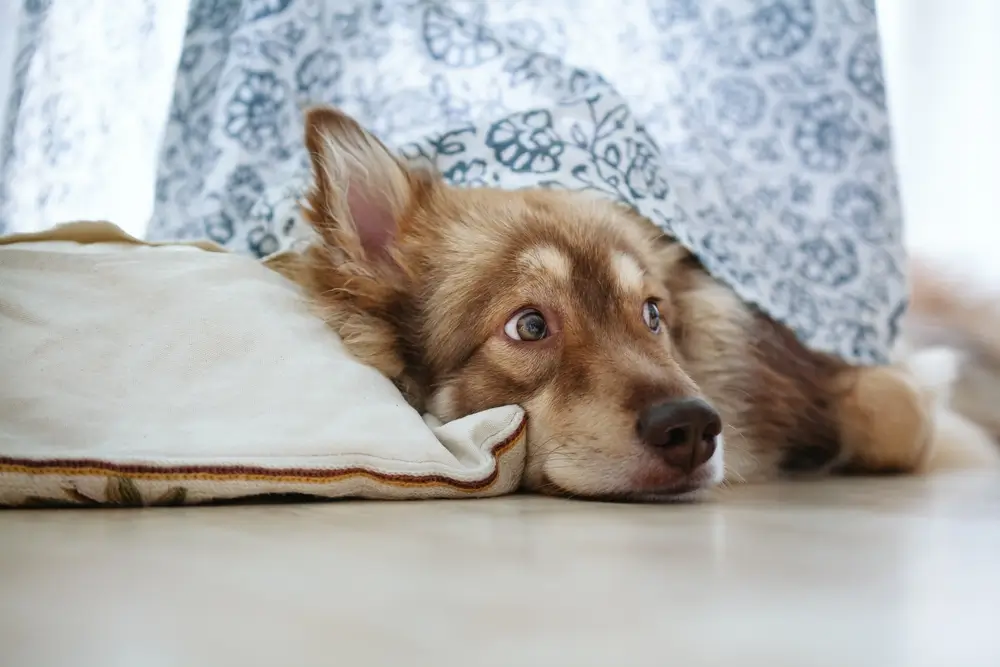
Why Anxious Behaviour Is So Easy to Misread
Anxiety in dogs rarely announces itself with a single obvious symptom. Instead, it shows up as a shifting pattern of body language and behaviour that changes with the situation and the individual dog. A yawn after a nap means nothing; the same yawn in a vet waiting room can be a clear stress signal. Because these cues are so context-dependent, many owners genuinely miss them or read them as harmless habits.
Learning the full range of signals takes a little study, and it helps to have a plain-language reference that sets them out clearly. Petterly’s detailed breakdown of the physical and behavioural signs of stress in dogs is a useful starting point, walking through everything from lip-licking and “whale eye” to pacing and house soiling so you can begin to recognise your own dog’s particular pattern.
That early recognition matters. Anxiety caught while it is still mild is far easier to resolve than a pattern that has been reinforced over months. The sooner you can name what you are seeing, the sooner you can decide whether it is something to handle at home or something worth raising with a professional.
The Everyday Signs Worth Watching For
Anxious behaviour is far more common than many owners realise, which is part of why it so often gets normalised. A 2020 study of more than 13,000 pet dogs published in Scientific Reports (Salonen et al., 2020) found that 72.5 per cent showed at least one anxiety-related behaviour, with noise sensitivity the single most common trait. If your dog struggles, in other words, they are firmly in the majority.
Subtle early signals
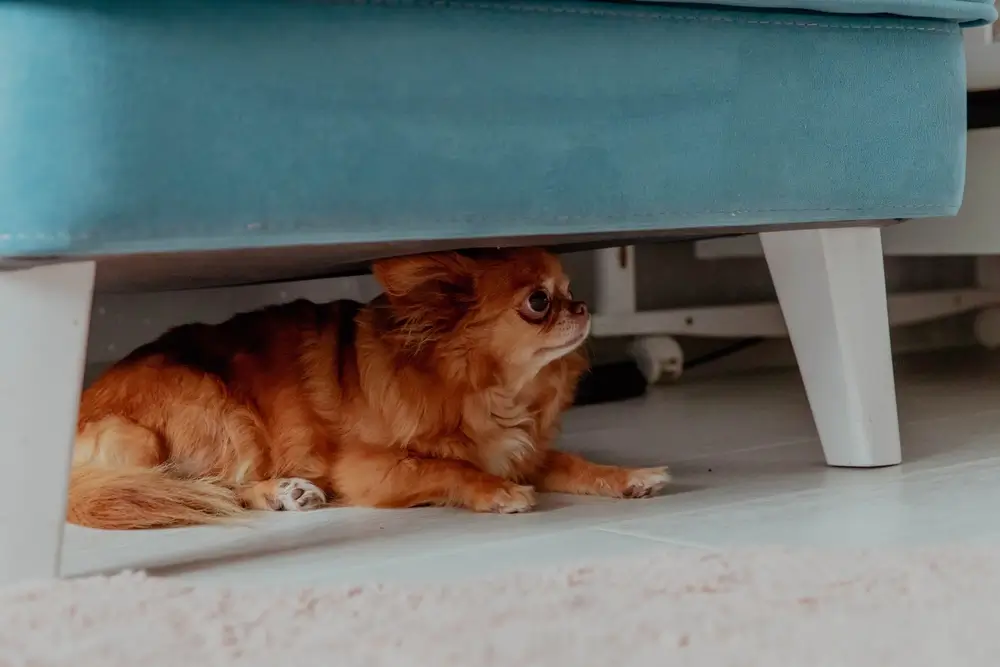
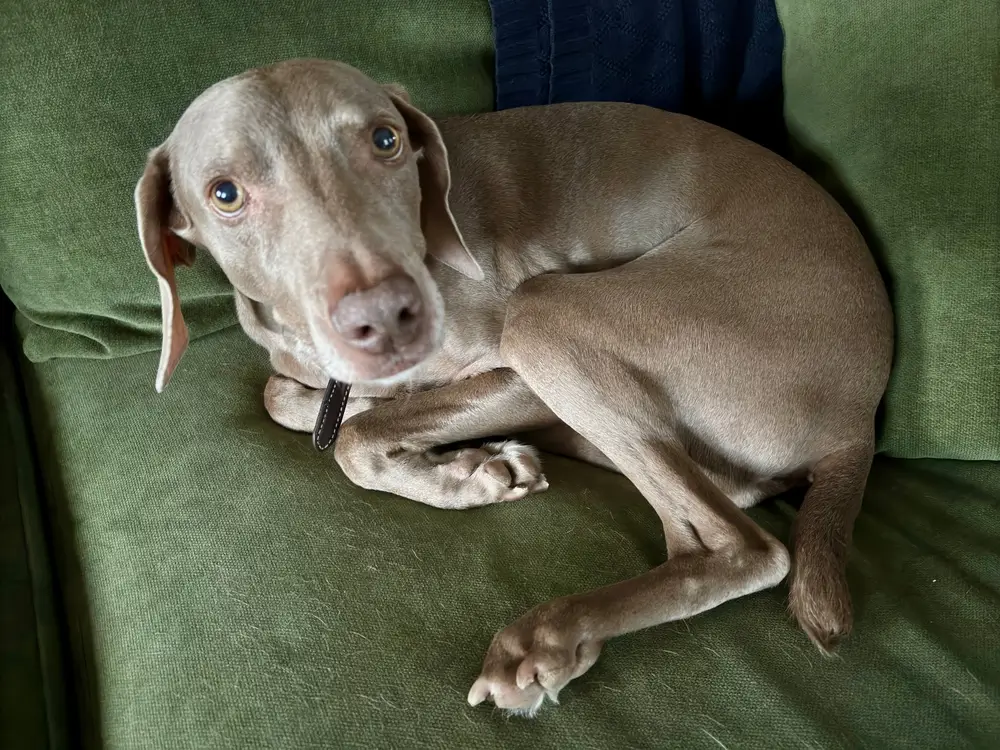
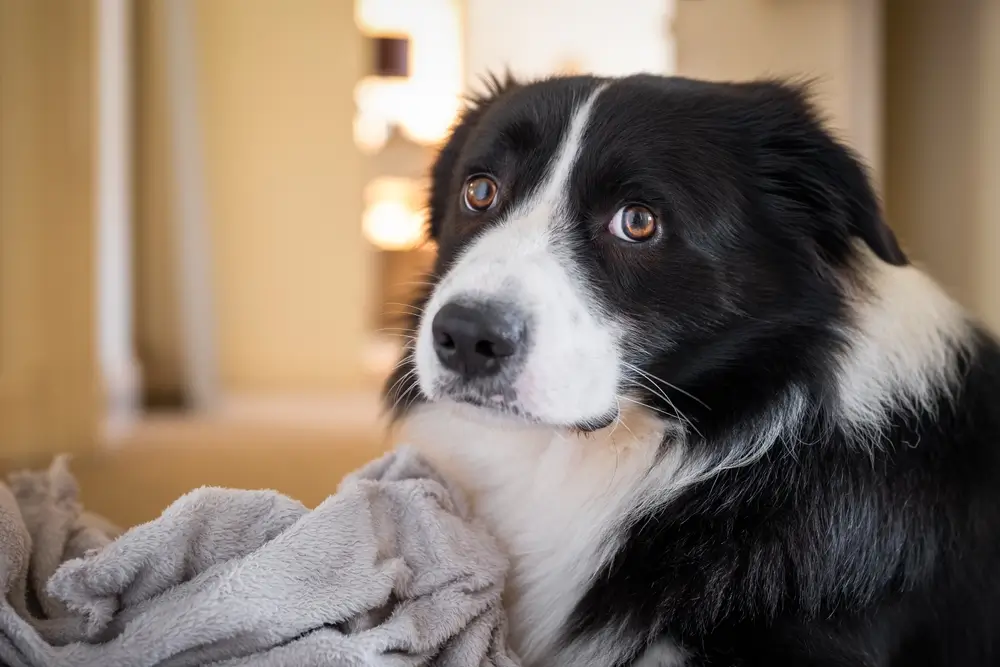
The earliest cues are the ones most often brushed aside. Lip-licking when there is no food around, yawning outside of tiredness, ears pinned flat, or a suddenly tucked tail are all displacement behaviours – small self-soothing actions a dog performs when it feels uneasy. A wide-eyed sideways glance that shows the whites of the eyes is another reliable tell. On their own these mean little, but in combination and in context they paint a clear picture.
Escalating stress responses
When early signals go unread, the body’s response intensifies. Panting when it is not hot, trembling through the hindquarters, drooling, repetitive pacing, or a frozen, rigid posture all point to a nervous system in overdrive. These are the canine equivalent of a racing heart and clammy hands – not stubbornness or mischief, but signs of a dog genuinely struggling to cope.
When Home Management Is Usually Enough
Not every anxious moment calls for a professional. A great deal of mild, situational stress responds well to patience and small environmental changes, and it is worth trying these before assuming the worst.
If your dog settles within a few minutes once a trigger passes – the storm moves on, the visitor leaves, you return home – you are most likely dealing with everyday nervousness rather than a clinical problem. Dogs that show brief clinginess or a short withdrawal, then return to normal, generally fall into this category.
Predictability is your most powerful tool here. Consistent walk times, reliable feeding schedules, and a steady departure-and-return routine all reduce the “what happens next?” uncertainty that fuels anxiety. Providing a quiet, freely accessible retreat gives an unsettled dog somewhere to self-regulate. Gradual, positive exposure to a known trigger, kept well below the level that provokes a reaction, is the gold-standard approach for building tolerance over time. If these measures steadily improve things, professional intervention may not be necessary at all.
The Red Flags That Warrant a Professional Assessment
There is, however, a clear line. When a dog crosses it, home management is no longer enough and a veterinary opinion becomes important – both for the dog’s welfare and your peace of mind.
Book an appointment if you notice self-injury such as paw-chewing, scratching, or licking that breaks the skin. Destructive escape attempts that could physically harm your dog, persistent house soiling in a reliably toilet-trained animal, and fear-linked aggression all belong on this list – as does anxiety that keeps worsening despite consistent changes at home.
According to RSPCA Australia (2022), where separation anxiety is severe enough that a dog may injure itself, vets may suggest a combination of pharmaceutical medication and behavioural modification, and owners should discuss this directly with their veterinarian. The message is not to reach for medication lightly, but to recognise that some cases genuinely need professional input rather than home management alone.
Why an Independent Vet Is Well Placed to Help
Behaviour is one of the areas where the relationship between you and your vet genuinely matters. Untangling whether a dog’s distress is emotional, physical, or a mix of both takes time, careful history-taking, and a willingness to consider the least invasive explanation first.
It is easy to forget that behaviour and physical health are deeply linked. The field of veterinary behavioural medicine, as the Australian Veterinary Association (AVA) describes it, covers both the normal psychology of animals and recognised behaviour problems – and pain, illness, or age-related decline can all drive changes that look purely emotional. A thorough vet checks for these before assuming a behavioural cause.
An independent, community-focused clinic is often well suited to that kind of measured conversation. A vet who knows your dog – and is not working to corporate throughput targets – has more room to say “let’s watch this and adjust” rather than defaulting to a battery of expensive tests, while still recommending diagnostics when they are truly warranted.
What to Expect at a Behaviour-Focused Vet Visit
Knowing what a consultation involves can take some of the worry out of booking one, both for you and your dog.
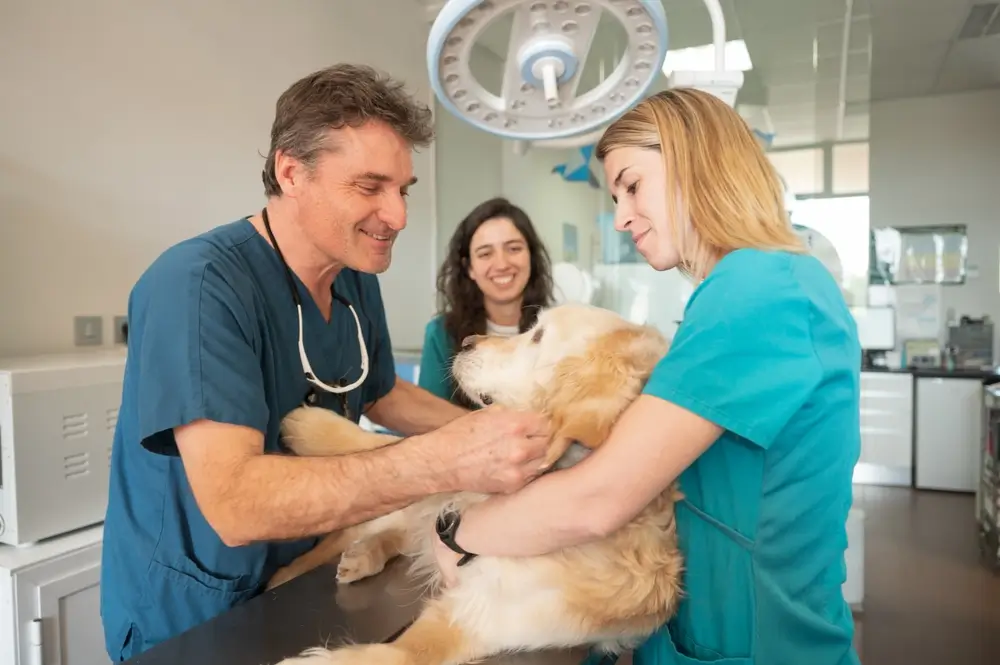
A thorough vet will start with history rather than tests. Expect questions about when the behaviour began, what seems to trigger it, how long episodes last, and whether anything at home has recently changed. A short phone video of the behaviour is genuinely useful, because many dogs mask their anxiety in the clinic itself.
From there, a physical examination helps rule out pain or illness as a hidden cause. If the anxiety appears primarily behavioural, your vet may outline a management plan, suggest referral to a veterinary behaviourist for complex cases, or discuss whether short-term medication could lower your dog’s baseline arousal enough to make behaviour work effective. Approached this way, the visit becomes a collaboration rather than a last resort.
Practical Steps You Can Take Before the Appointment
You do not need to wait for a diagnosis to start helping your dog, and a little preparation makes any eventual consultation more productive.
Begin keeping a simple log. Note the date, the suspected trigger, how your dog reacted, and how long it took them to settle. Patterns that are invisible day to day often become obvious on paper, and this record gives your vet far more to work with than memory alone.
In the meantime, tighten up routine and reduce known stressors where you can. Ease into any schedule changes gradually rather than overnight, and make sure your dog has a safe, quiet space to retreat to. Calming aids such as pressure garments or pheromone diffusers can take the edge off during predictable trigger events like storms, though they work best alongside environmental changes rather than in place of them. Above all, trust your instincts: you know your dog better than anyone, and acting early almost always leads to a better outcome.
Final Thoughts
Living with an anxious dog can feel isolating, as though you are the only person whose pet shakes at thunder or cannot bear twenty minutes alone. The reassuring truth is that anxiety is common, well understood, and very often manageable – and that recognising it is the hardest step.
Start small, watch closely, and give sensible home changes a fair chance to work. But if the red flags appear, or nothing improves, do not wait it out. A trusted, unhurried vet can tell you whether you are dealing with a behavioural issue, a medical one, or both, and set a plan that puts your dog’s wellbeing first without unnecessary cost.
Article last reviewed: July 2026
Search Independent Vets

About the Author: Chloe Martin
Chloe Martin is a writer covering companion-animal health, behaviour, nutrition and more, with content checked against current RSPCA Australia and Australian Veterinary Association guidance. Chloe is abusy dog mum juggling life with her Golden Retriever, Bruce, and tabby cat, Luna - with a focus on food, behaviour, safety and real-world product value.
Why Choose an Independent Vet?
Personalised Care
Don't just search for a vet near me, find an independent vet near you. Independent clinics love building relationships with you and your pet – you’re not just another appointment in the system.
Community Focused
Local vets are part of your community. They support neighbourhood initiatives, get to know families, and often treat multiple generations of pets.
No Corporate Pressure
Large corporate-owned clinics often face business targets and upselling pressures. Independent vets have more flexibility to recommend the best option for your pet.