
Independent veterinary clinics across Australia are under unprecedented pressure. Appointment books are filled weeks in advance, veterinary nurses are leaving the profession at alarming rates, and client expectations continue to rise.
At the same time, many clinics are not fully utilising the skills, training, and clinical capability of their veterinary nurses. By introducing structured nurse consults and an additional internal pay grade for nurses who perform them, practices can create genuine career progression and improve job satisfaction.
This approach also addresses a long-standing industry challenge. In the absence of a nationally recognised training framework or nurse registration system outside Western Australia, clinics have an opportunity to take the lead by developing their own training pathways and wage structures. Doing so helps improve retention and offset the limitations of a low industry award wage.
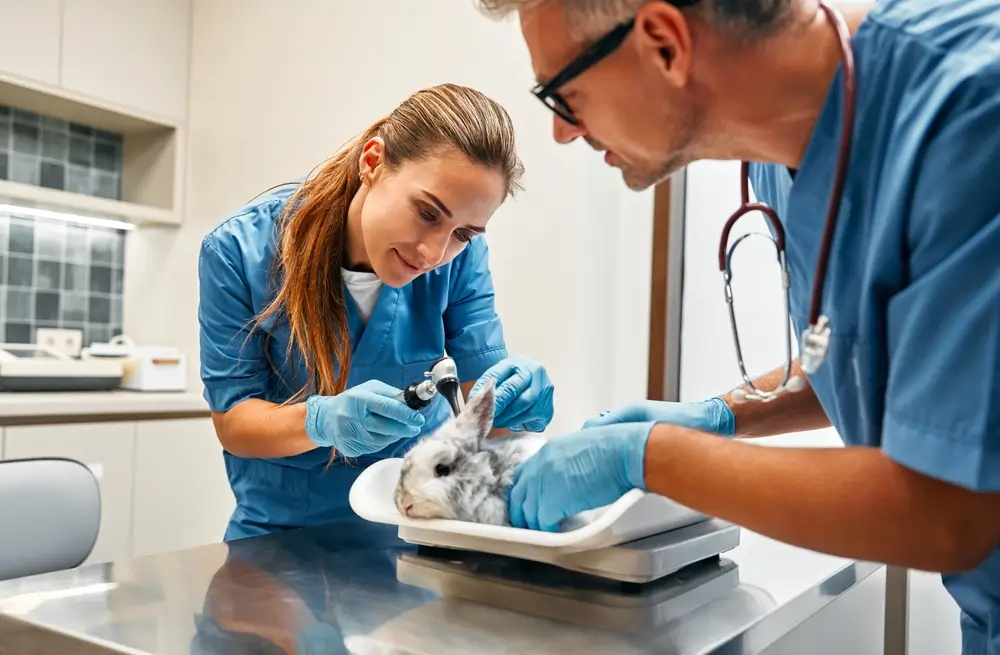
Unlocking the full potential of veterinary nurses is more than a workflow change. It is a practical step toward long-term clinic sustainability and building stronger, more resilient teams.
Empowering veterinary nurses to deliver more nurse consults and work to the full scope of their training can:
- Expand the number of available veterinary consults
- Enhance patient care and client experience
- Support the long-term sustainability of the veterinary nursing profession
What Can Veterinary Nurses Do?
Veterinary nurses in Australia have long been trained to carry out a wide range of clinical tasks, excluding vaccinations. These skills are already part of their training and daily work, yet are often underutilised in many practices. Nurse-led consults commonly include:
- Consult triage
- Behaviour and nutrition advice
- Post-operative checks
- Anal gland expressions
- Nail trims
- Suture removal
- Weight checks
- Long-term medication reviews
- Patient history taking
- Discharge appointments
- Education on preventatives, dental care, enrichment, and senior pet care
Why this matters
When clinics deliberately shift suitable consults and workflow elements to veterinary nurses, vets gain the time and capacity to focus on cases that truly require their expertise. Reallocating just four to six common consult types into the nursing workflow can free up an additional 10 to 20 veterinary consults per week.
From a financial perspective, this can translate to approximately $1,800 to $3,600 per week, or up to $100,000 to $180,000 in additional annual revenue. Beyond the numbers, the success of this model relies on nurses being properly supported, valued, and empowered to run nurse consults with confidence and autonomy.
How Nurses Strengthen Client Relationships
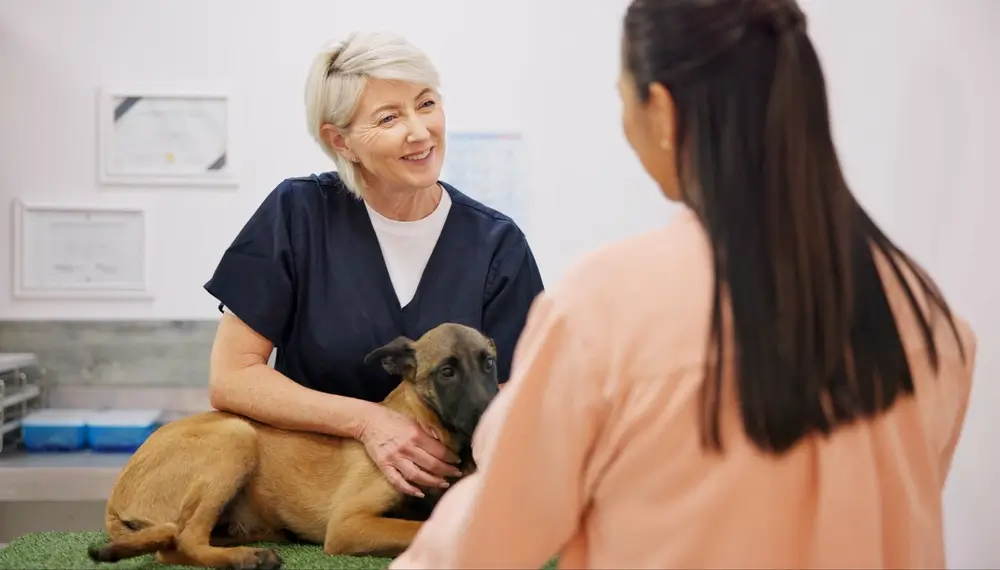
Clients often spend more time with veterinary nurses than with veterinarians or clinic owners. This may be during consultations, in the waiting area, or through follow-up communication. As a result, many pet owners feel more comfortable asking questions or raising concerns with the nursing team.
This ongoing rapport leads to meaningful benefits for the clinic, including:
- Better treatment compliance
- Higher client satisfaction
- Stronger long-term loyalty
- Improved continuity of care across the entire team
When clinics actively support nurses to take on consults and increase direct client interaction, these advantages are amplified. Empowering nurses with greater responsibility and visibility helps build trust, improve communication, and strengthen relationships between clients, pets, and the wider clinical team.
The Crisis: Nurses are leaving the Profession in droves
Australia’s veterinary industry is in the midst of a veterinary nurse exodus, with multiple factors driving the crisis:
- Uncompetitive award wages
- Lack of clear career pathways
- Burnout/emotional strain
- Feeling undervalued/underutilised
- Lack of autonomy to use their full training
Job satisfaction is an incredibly strong predictor of whether a nurse will stay in the profession or leave. The more a clinic trusts, respects, and empowers their nurses to work to the full scope of their training and abilities, the more retention and workplace stability they can expect.
The challenge is, how to drive more value which can lead to higher wages and better conditions?
Award Wages Are Inadequate. Clinics Must Do Better
Veterinary nursing award wages in Australia are widely recognised as being out of step with the level of responsibility, skill, and emotional labour required in the role. For clinics seeking to retain experienced nursing staff over the long term, relying solely on award wages is no longer sufficient.
An effective pay structure should:
- Reflect the level of responsibility nurses carry
- Recognise and reward clinical skill and competence
- Support ongoing education and professional development
- Encourage career progression and long-term commitment
Clinics that pay strictly to award should not be surprised when nurses seek higher-paying roles in corporate practices or leave the profession altogether. Meaningful retention requires clinics to lead the way with clearer career pathways, appropriate remuneration, and genuine recognition of the value veterinary nurses bring to the practice.
Nurse Consults as a Practical Solution
The challenges facing veterinary clinics and veterinary nurses are closely linked. Clinics are under pressure from growing demand, limited appointment availability, and rising costs. Nurses, meanwhile, are leaving the profession due to poor pay, limited career progression, and underutilisation of their skills.
Nurse consults sit at the intersection of these problems. When implemented properly, they offer a practical, scalable way to improve workflow efficiency, increase revenue, and create meaningful professional pathways for nurses. Rather than asking veterinarians to absorb ever-increasing workloads, nurse consults allow clinics to redistribute appropriate clinical tasks while recognising and rewarding nursing expertise.
Practical Steps to Introducing Nurse Consults: Incentives and Best Practices
Clinics that adopt nurse consults often see an immediate improvement in both workflow and financial performance. A structured and transparent approach should include the following.
Clear Internal Communication
Ensure the entire team understands why the consult scope is expanding and how it benefits everyone, from veterinarians and nurses through to reception staff and clients. Clarity at this stage reduces resistance and builds buy-in.
Appropriate Pricing
Nurse consults should be priced below veterinary consults but still reflect the nurse’s skill level, the value of the service provided, and the clinic’s overall fee structure.
Financial Incentives and Recognition
Nurses who run consults should:
- Be remunerated above standard nursing rates
- Have autonomy and ownership of their consult space
- Be supported with structured training and clear CPD and progression pathways
Visibility in the Booking System
Nurse consults must be clearly labelled in the booking system to make scheduling straightforward for reception staff. Clients should easily understand when a nurse consult is appropriate and what it involves.
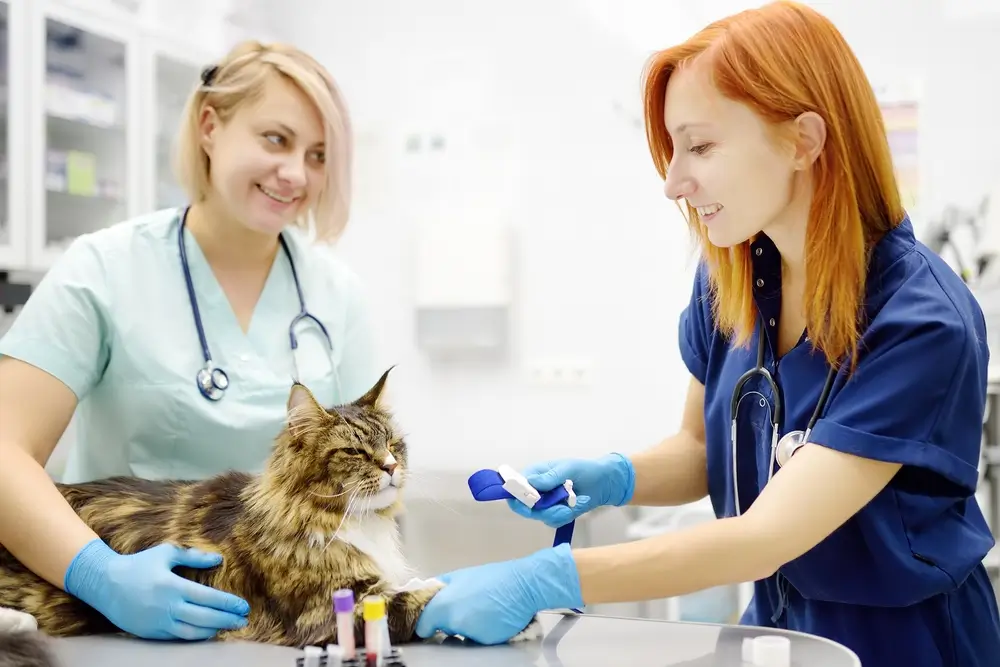
Implementing a Competency Framework: Level 4A and Level 4B Nursing
To successfully introduce nurse consults, clinics need a clear and practical way to recognise competency and responsibility. One effective approach is to implement a simple two-tier internal framework that builds on the existing award structure, without relying on formal certification, which is currently only available in Western Australia.
Under this model, the current award-recognised Level 4 becomes Level 4A, while an additional tier, Level 4B, is introduced for nurses who are trained, competent, and actively running nurse consults. Level 4B is not tied to external accreditation but instead reflects demonstrated skills, experience, and responsibility within the practice.
This approach provides clarity for both staff and management and creates an achievable pathway for nurses who want to progress.
Benefits of a Level 4A and Level 4B framework include:
- Nurses running consults are appropriately remunerated for higher-level responsibilities
- Nurses who are not ready for consults still have a valued role with fair compensation
- Experienced nurses without formal certification gain recognition and advancement
- Clients receive consistent, high-quality care
- Clinics improve efficiency and profitability
- Veterinarians regain time for higher-level clinical work
A Win-Win-Win Outcome
When nurse consults are implemented alongside a clear competency framework, the benefits extend across the entire practice.
For clients
- More time and attention during appointments
- Better education and communication
- Improved ongoing support
- Stronger continuity of care, particularly for chronic and senior patients
For veterinarians and the practice
- Increased appointment availability
- Higher revenue generated per veterinary hour
- Reduced burnout and pressure
- More efficient workflow and scheduling
For nurses
- Meaningful career progression
- Fairer and higher wages
- Greater autonomy and professional trust
- Improved job satisfaction
- Stronger reasons to remain in the profession
Conclusion
Unlocking the full capability and capacity of your veterinary nurses is one of the most effective steps a clinic can take to address today’s operational, financial, and workforce challenges. Empowered and engaged nurses improve client experience, increase clinical capacity, and give veterinarians the time and space to focus on higher-level care. Most importantly, they bring stability to a profession that urgently needs sustainable solutions.
Creating genuine pathways for veterinary nurses through structured nurse consults, fair remuneration, and meaningful autonomy strengthens the foundation of the clinic itself. When nurses are recognised for their skills and supported to grow, clinics become better places to work and more trusted places for clients to seek care.
If you are already thinking about the nurses in your team who could excel in nurse consults, or those you cannot afford to lose, now is the time to act. Unlock Veterinary Consulting works with independent clinics to turn nursing potential into performance through practical competency frameworks, effective nurse consult programs, and leadership training that delivers lasting change.
Search Independent Vets

About the Author: Lauren Chalwell
Lauren is a veterinary business consultant who helps independently owned clinics build stronger teams, improve workflows, and operate more sustainably. With experience in executive and leadership roles, she brings practical, big-picture strategy to independent practices. Through Unlock Veterinary Consulting, Lauren works hands-on with clinics to implement clear systems, support nurse and team development, and deliver measurable improvements that make a real difference day to day.
Why Choose an Independent Vet?
Personalised Care
Don't just search for a vet near me, find an independent vet near you. Independent clinics love building relationships with you and your pet – you’re not just another appointment in the system.
Community Focused
Local vets are part of your community. They support neighbourhood initiatives, get to know families, and often treat multiple generations of pets.
No Corporate Pressure
Large corporate-owned clinics often face business targets and upselling pressures. Independent vets have more flexibility to recommend the best option for your pet.