
Bringing a new puppy home is equal parts joy, chaos, and “am I doing this right?” Between puppy training, toilet training, chewed shoes and late-night zoomies, it can be hard to know what vet care your pup actually needs in that crucial first year.
This new puppy vet guide is written for Aussie dog owners who want clear, honest advice. No scare tactics. No pressure to sign up for every product in the waiting room. Just a practical, evidence-based overview of first year puppy care in Australia, and how an independent vet clinic can help you give your dog the best possible start in life.
We will walk through vaccination schedules, parasite prevention, desexing, nutrition, puppy health checks and when to book your puppy’s first vet visit. We will also explain why choosing an independent vet can make a real difference to your pup’s long-term health and to your wallet.
Why Your Puppy’s First Year Matters So Much
Puppies grow faster in their first 12 months than at any other time in their life. In that short period they will:
- Build their immune system through vaccinations and natural exposure
- Learn how to cope with the world through socialisation and training
- Develop bones, joints, teeth and muscles that must last a lifetime
Good vet care in this “growth spurt” is not about ticking boxes. It is about preventing serious infectious diseases, managing common parasites, setting healthy habits and catching problems early while they are easier and cheaper to treat. [1] [2]
A thoughtful independent vet will focus on a plan that fits your puppy, your lifestyle and your budget. That is very different from a one-size-fits-all package that may or may not be necessary for your dog.
Puppy Vaccinations in Australia: What They Protect Against
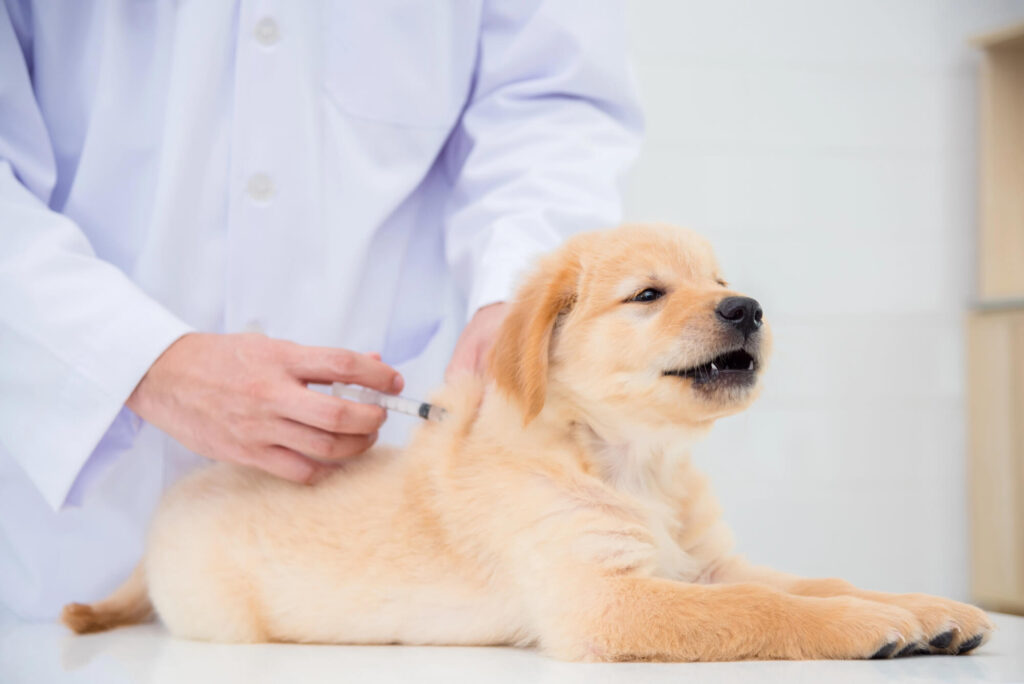
Core vaccines every puppy needs
Across Australia, core puppy vaccinations usually protect against three serious viral diseases:
- Canine parvovirus (parvo)
- Canine distemper virus
- Canine adenovirus (hepatitis)
These are often given as a combined “C3” vaccine. [3] [4] Many vets will also recommend protection against canine cough (kennel cough), which is where you will see vaccine names like C4 or C5. Kennel cough is rarely life-threatening in healthy dogs, but it is very contagious and can cause a nasty, persistent cough.
Typical puppy vaccination schedule in Australia
Exact schedules vary between clinics and products, but a common Australian puppy vaccination schedule is:
- 6-8 weeks of age
- First vaccination (often C3 or C4)
- General health check and discussion about diet, toilet training and parasite control
- 10-12 weeks of age
- Second vaccination (often C5)
- Check growth, discuss behaviour, introduce future plans such as desexing and puppy school
- 14-16 weeks of age
- Final puppy vaccination
- Your vet confirms when it is safe to start visiting public spaces such as puppy-friendly dog parks and beaches
- 12 months of age
- First annual booster and full adult health check
The key idea is simple. Puppies need a series of vaccinations a few weeks apart. [5] Their immunity only becomes reliable after the course is complete. Until your vet gives the all clear, avoid high-risk places such as busy dog parks and areas where unknown dogs frequent.
Core vs non-core vaccines
You may hear your vet talk about core and non-core vaccines:
- Core vaccines are recommended for all dogs, because the diseases are severe and widespread
- Non-core vaccines are recommended based on lifestyle and risk, for example, dogs that board regularly or travel interstate
Your vet will look at where you live, where you walk your dog and whether you plan to use kennels, day care or training centres to decide what is truly needed. This is where having a vet who can take time to explain options matters more than a generic “gold, silver, bronze” vaccination package.
Parasite Prevention: Worms, Fleas, Ticks and Heartworm
Parasite control is one of the most confusing parts of first-year puppy care. There is a product for almost everything, often with overlapping claims. A simple framework for flea and tick prevention for puppies helps.
Intestinal Worms
Typical Australian advice for worming puppies is:
- Every 2 weeks from 2 weeks old until 12 weeks
- Monthly from 3 to 6 months of age
- Every 3 months for life after that
Intestinal worms can cause diarrhoea, weight loss, a pot-bellied appearance and, in heavy burdens, life-threatening illness. Some species can also infect humans, which is why regular worming is considered essential pet care in Australia. [6]
Fleas
Fleas are common across Australia and can lead to intense itching, skin infections and flea allergy dermatitis. Prevention is usually easier than cure. [7]
Most vets recommend:
- Starting a flea prevention product as soon as your puppy is old enough (this varies by product)
- Treating all pets in the household, not just the itchy one
- Keeping up prevention year-round in our climate
Many modern products combine flea control with tick, heartworm or worming treatment. An independent vet can help you choose a plan that covers what you actually need without paying for duplicates.
Ticks
Paralysis ticks are common along Australia’s east coast and can cause rapid paralysis and death without prompt treatment. [8] [9] In WA, for example, the paralysis tick is not established in most areas, although other tick species can still bite and irritate dogs. [10]
Your vet will consider:
- Whether you travel with your dog to high-risk tick areas in other states
- Whether you visit coastal or bushland areas where ticks are more common
- Which tick prevention products are appropriate for your puppy’s age and weight
If you do travel with your dog, tick prevention becomes non-negotiable [11], and you should check your dog daily for attached ticks.
Heartworm
Heartworm is a parasite spread by mosquitoes. It lives in the heart and major blood vessels and can be life-threatening. Unlike intestinal worms, heartworm is much harder and more expensive to treat once a dog is infected. [12]
Most Australian vets recommend:
- Starting heartworm prevention by 12 weeks of age
- Using either a monthly tablet/chew, spot-on or an annual injection given by your vet
Your independent vet can test older dogs for existing infection and recommend the best product for your area and lifestyle.
Your Puppy’s First Vet Visits: What Actually Happens
Many owners feel nervous before the first vet visit. Knowing what to expect helps. [13]
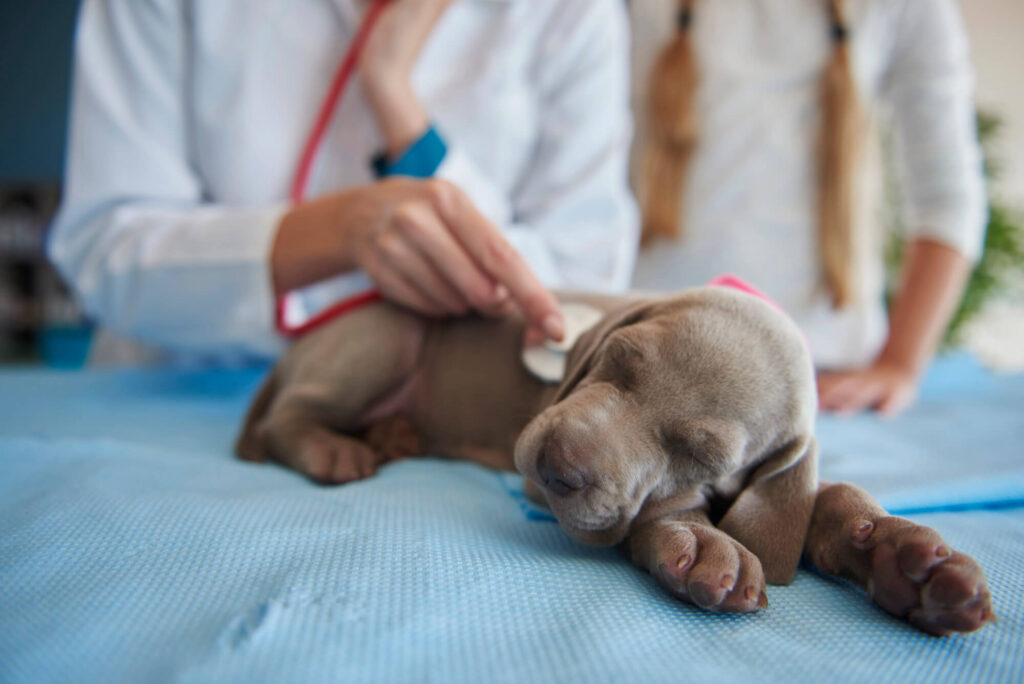
The first puppy vet visit
Your puppy’s first vet visit is usually at 6-8 weeks of age (or as soon as possible after adoption). A good independent clinic will:
- Take a thorough history about where your puppy came from, diet, behaviour and any concerns
- Perform a full physical exam, including eyes, ears, mouth, heart, lungs, abdomen, skin and joints
- Discuss a personalised vaccination and parasite prevention plan
- Talk through toilet training, comfortable sleep, safe play and early socialisation
This is also your chance to ask “small” questions that Google often answers badly. Think of it as a longer, calmer consultation where nothing is too silly to mention.
Ongoing first-year health checks
Each vaccination visit is also a health check. Your vet will:
- Track weight and body condition
- Listen to heart and lungs
- Check teeth, gums and bite development
- Look for hernias, retained baby teeth or early joint issues
- Discuss sleep behaviour, behaviour changes, and training progress
If anything seems off, your vet can intervene early rather than waiting for a problem to become obvious at home.
Many independent clinics encourage at least:
- Three to four visits in the first 4 months (aligned with vaccines)
- A pre-desexing check around 5-6 months
- A full head-to-tail check at 12 months as your dog transitions into adulthood
Desexing in Australia: When and Why
Desexing decisions are more nuanced today than the blanket “every dog at 6 months” approach. Timing depends on breed, size, sex and lifestyle.
Why desex at all?
In Australia, desexing is recommended to: [14]
- Prevent unexpected litters and reduce pressure on shelters
- Reduce the risk of uterine infections and some mammary cancers in female dogs
- Reduce the risk of testicular disease and some prostate issues in males
- Help manage roaming, some forms of marking and hormone-driven behaviour
Typical desexing ages
You will see different advice depending on who you ask:
- Some welfare groups desex from around 8-12 weeks of age, especially for shelter puppies
- Many general practices in Australia recommend desexing around 5-6 months of age, before a first heat in females and before sexual maturity in males
- For some large and giant breeds, vets may advise waiting longer, as hormones can influence joint and bone development
The right answer for your puppy is individual. An independent vet can weigh up:
- Breed and expected adult size
- Behaviour, temperament and lifestyle
- Household set-up, including all dogs living together
- Health risks of early vs later desexing
The key is to have an honest discussion well before surgery is due, so you feel confident about the plan.
Feeding Your Puppy: Nutritional Basics for the First Year
Nutrition is one of the biggest drivers of long and healthy life for dogs. Poor diet in the first year can stunt growth, cause skeletal problems and predispose dogs to obesity and chronic disease later on. [15] [16] [17]

A few simple principles for puppy food in Australia:
- Choose a complete and balanced diet specifically formulated for puppies or “growth”
- For large breed puppies, use a large breed puppy formula to support controlled growth
- Avoid feeding a home-made or raw diet unless it has been formulated by a qualified veterinary nutritionist
- Monitor body condition rather than just weight. You should be able to feel, but not see, ribs on a healthy pup
Your vet can help you understand feeding guides, portion sizes and how to adjust food as your puppy grows. A good independent clinic will talk through realistic options that suit your budget, rather than only recommending premium brands.
Behaviour, Socialisation and Puppy School
Medical care and behaviour are closely linked. A well socialised puppy is less stressed at the vet, copes better with change and is safer in the community.
Your vet is a key partner in:
- Early socialisation
- Introducing your puppy to new people, dogs, sounds and surfaces in a controlled way before about 16 weeks of age.
- Puppy school
- Many clinics run or recommend puppy school classes that focus on calm handling, basic cues, safe play and reading canine body language.
- Behavioural advice
- Nipping, resource guarding, separation distress and toileting issues are common. Your vet can rule out medical causes, then work with trainers or behaviourists where needed.
Look for puppy schools that use reward-based training methods and positive reinforcement dog training, and keep class sizes small. If a class or trainer uses punishment or force, speak with your vet about alternatives.
Why Choosing an Independent Vet Clinic Matters
So far, we have focused on what your puppy needs. The other half of the equation is who you trust to provide that care.
Independent vet clinics are owned by the vets on the ground, not by a corporate group or private equity fund. That difference in ownership model affects first year puppy care in real ways.
At an independent practice, your vet can:
- Tailor vaccination and parasite plans rather than selling a fixed bundle
- Spend more time on education, not just procedures
- Be upfront about costs and help stage treatment if money is tight
- Build a long-term relationship with you and your dog
There are excellent vets in all types of clinics. The advantage of an independent vet clinic is that decisions are driven by medicine, ethics and community relationships, not remote revenue targets.
If you want continuity, honest advice and transparent vet pricing, starting your new puppy journey with an independent vet can set you up well for the years ahead.
Frequently Asked Questions About First-Year Puppy Vet Care in Australia
How often should puppies go to the vet in their first year?
Most puppies will see the vet:
- Three or four times for their initial vaccination course
- Once for a pre-desexing check and surgery
- Once for their 12-month booster and adult health check
You may visit more often if your puppy has a medical issue or you want extra help with behaviour or nutrition. If you are ever unsure, it is safer to book a check than to wait.
What can I expect for a simple first-year vet care timeline?
Every puppy is different, but this sample timeline gives you a snapshot of what first year puppy care can look like:
- 6-8 weeks
- Puppy first vet visit, first vaccination, health check, start worming schedule, discuss diet and toilet training.
- 10-12 weeks
- Second vaccination, check growth and behaviour, start or continue flea and heartworm prevention, talk about socialisation and puppy school.
- 14-16 weeks
- Final vaccination in the puppy course, confirm when it is safe to visit public areas, review parasite control and diet, discuss desexing timing.
- 5-6 months
- Pre-desexing check, confirm surgery date, discuss adolescent behaviour, training progress and weight management.
- 12 months
- Adult health check, first annual booster where needed, dental check, review nutrition, exercise and ongoing parasite prevention.
Your independent vet can adapt this plan to suit your puppy’s breed, health, environment and your family’s routine.
What vaccinations do puppies need in Australia?
All puppies in Australia should receive core vaccines that protect against parvovirus, distemper and hepatitis. Many also receive protection against kennel cough as part of a combined vaccine.
The exact products and schedule vary, so your vet will recommend a plan based on your puppy’s age, environment and lifestyle.
When should I desex my puppy?
There is no single “right” age for every dog. Many clinics recommend desexing around 5-6 months of age. Some large or giant breeds may benefit from waiting longer, while some welfare groups desex earlier.
Your independent vet will weigh up breed, size, behaviour and household factors and help you choose the safest and most appropriate timing.
How much do puppy vaccinations cost in Australia?
Costs vary between clinics and regions. Studies suggest that a standard puppy vaccination course and first-year boosters are a relatively small part of lifetime vet bills compared with emergencies or chronic disease, but they are one of the most important investments you can make in long-term health. [18] [19]
If you are worried about cost, ask for a written estimate up front and discuss payment options. Independent vets are often more flexible in staging care and helping you prioritise what is essential.
How do I find a good vet for my new puppy?
Look for a clinic that:
- Is independently owned and proud of that fact
- Takes time to explain things in plain language
- Provides clear estimates and is happy to discuss your budget
- Treats you and your pup with patience and respect
Directories that focus on independent vet clinics can help you find an independent vet near you who shares these values. Personal recommendations from friends, trainers and local pet communities are also very useful.
Find a Local Independent Vet You Can Trust
Your new puppy does not need a perfect owner or a gold-plated health plan. They need consistent, sensible care from people who put their welfare first.
Independent vets put pets and families at the centre of every decision, not corporate shareholders. Use the Independent Vet directory to find an independent vet clinic near you, start a conversation and build a relationship that will support your dog through their first year and every year after that.
With the right advice, a realistic plan and a trusted independent vet in your corner, you can give your puppy the best possible start to a long, healthy and happy life.
Sources
[1] [13] RSPCA Pet Insurance – “What to expect when you take your dog to the vet”
https://www.rspcapetinsurance.org.au/pet-care/health-and-wellbeing/dogs-and-health-checks
[2] RSPCA Pet Insurance – “How often should my dog visit the vet?”
https://www.rspcapetinsurance.org.au/pet-care/dog-care/vet-visits-for-your-dog
[3] Greencross Vets – “Puppy Vaccinations”
https://www.greencrossvets.com.au/pet-library/puppy-vaccinations/
[4] RSPCA Pet Insurance – “Which vaccinations should your pets get and when to get them?”
https://www.rspcapetinsurance.org.au/pet-care/responsible-pet-ownership/vaccinations-for-your-pet
[5] RSPCA Pet Insurance – “A simple guide for planning your pet’s vaccination [Checklist]”
https://www.rspcapetinsurance.org.au/pet-care/guides/guide-vaccination-planning-for-pet
[6] [7] [12] Tamworth Vet – “When to de-worm & flea your puppy”
https://www.tamworthvet.com.au/new-pet-parents/when-to-de-worm-flea-your-puppy
[8] Government of Western Australia Department of Health – “Ticks”
https://www.health.wa.gov.au/Articles/S_T/Ticks
[9] Warnbro Vet Hospital – “Tick Control”
https://www.warnbrovethospital.com.au/WarnbroVeterinaryHospital/tick-control.aspx
[10] Greencross Vets – “Ticks on Dogs: Identification, Symptoms, Prevention & Treatment”
https://www.greencrossvets.com.au/pet-library/articles-of-interest/ticks-on-dogs-guide/
[11] WA.gov.au – “Tick treat your dog before travelling”
https://www.wa.gov.au/government/announcements/tick-treat-your-dog-travelling
[14] RSPCA Knowledge Base – “Is desexing mandatory for cats and dogs?”
https://kb.rspca.org.au/categories/legislation/companion-animal-legislation/is-desexing-mandatory-for-cats-and-dogs
[15] Greencross Vets – “A Guide To Feeding Your Puppy”
https://www.greencrossvets.com.au/pet-library/dogs/nutrition/puppy-feeding-guide/
[16] Petbarn – “Puppy Nutrition 101: Feeding Your Puppy and Transitioning to Adult Food”
https://www.petbarn.com.au/petspot/puppy/food-nutrition/puppy-nutrition-101/
[17] RSPCA Knowledge Base – “What should I feed my puppy?”
https://kb.rspca.org.au/categories/companion-animals/dogs/puppies/what-should-i-feed-my-puppy
[18] National Library of Medicine – “Vaccine use and disease prevalence in dogs and cats”
https://pmc.ncbi.nlm.nih.gov/articles/PMC7131694/
[19] WestVETS – “Booster Vaccines – Are They Really Necessary?”
https://www.westvets.com.au/booster-vaccines-are-they-really-necessary/
Search Independent Vets

About the Author: Mya Gerschwitz
Mya Gerschwitz is the creator of Dog Friendly Perth, a local guide dedicated to uncovering the best dog-friendly cafés, parks, adventures and resources around Western Australia’s capital.
Why Choose an Independent Vet?
Personalised Care
Don't just search for a vet near me, find an independent vet near you. Independent clinics love building relationships with you and your pet – you’re not just another appointment in the system.
Community Focused
Local vets are part of your community. They support neighbourhood initiatives, get to know families, and often treat multiple generations of pets.
No Corporate Pressure
Large corporate-owned clinics often face business targets and upselling pressures. Independent vets have more flexibility to recommend the best option for your pet.